5:24 am, Friday, 24 July 2026

President Shahabuddin to resign


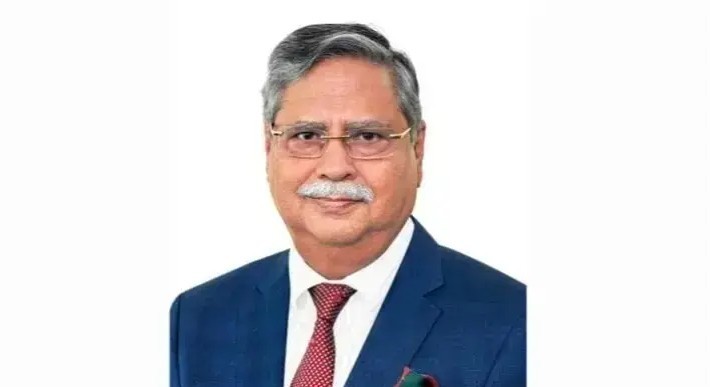
Multiple sources have indicated that President Mohammed Shahabuddin is likely to resign at any time, although no official announcement has yet been made.


Since Wednesday afternoon, reports circulating on social media have fueled speculation that his resignation is imminent. However, the exact timing of his departure remains unclear.

The reports have also sparked speculation over his successor. While no official decision has been announced, the name of a senior government official has emerged prominently in discussions over the country’s 23rd president.


The names of senior BNP leaders Mirza Fakhrul Islam Alamgir, Dr. Abdul Moyeen Khan, and Khandaker Mosharraf Hossain have also been mentioned by various sources.


According to a government source, the government and the BNP are holding high-level discussions on the nomination of a new president. If the appointment is delayed, Speaker Major (Retd.) Hafiz Uddin Ahmed will serve as acting president until a successor is elected.

The source said there is ‘no doubt’ that President Shahabuddin will step down in the near future.


The source added that it has not yet been confirmed who will be nominated for the presidency, although the position has traditionally been filled by a trusted figure from the ruling party.

According to the sources, Shahabuddin may resign citing health reasons. In a WhatsApp interview with Reuters last December, he said he wanted to leave office after the February parliamentary election, saying he felt ‘humiliated’ during the tenure of the interim government.

“I want to step down; I am interested in leaving. Until the election is held, I should continue performing my duties. Constitutionally, I remain in the office of the President and will continue to discharge my responsibilities,” he said in the interview.

Despite the growing speculation, neither the President’s Office (Bangabhaban) nor the government has issued any official statement regarding his reported resignation.

However, a source familiar with Bangabhaban affairs claimed that the president had recently indicated to staff that he would leave the presidential residence soon. The source added that Shahabuddin intends to take some time to rest after resigning and may travel abroad for further medical treatment. He has undergone medical treatment overseas on two occasions in recent months.

Sources also said the president travelled to London on May 9 and returned to Bangladesh on May 18. They further claimed that intelligence agencies later became aware of a telephone conversation involving former Prime Minister Sheikh Hasina. According to the sources, Shahabuddin was subsequently informed that he should resign after details of the conversation came to light.

A senior BNP leader, however, said the reported phone conversation was not the sole reason behind the expected resignation, describing the issue as ‘more complex.’

The leader said the political situation became more sensitive after Sheikh Hasina reportedly indicated she planned to return to Bangladesh by December.

A Reuters report published on July 10 said that Sheikh Hasina, who has been sentenced to death, along with several senior leaders of the banned Awami League, was planning to return to Bangladesh from India and surrender by December. During the same period, authorities have also been monitoring efforts by some Awami League leaders and activists inside the country to reorganize the party.

The BNP leader said Shahabuddin’s resignation could be viewed as a clear political signal from the government that it is closely monitoring the situation and would take a firm stance against any activities that could undermine law and order.


Under Bangladesh’s Constitution, if the president resigns, the Speaker of Parliament assumes the responsibilities of acting president until a new president is elected.

Article 54 of the Constitution states that if the office of the president becomes vacant, or if the president is unable to perform the duties of office due to absence, illness, or any other reason, the Speaker shall discharge the functions of the presidency until a new president is elected.

Under Article 123 of the Constitution, a new president must be elected within 90 days if the office falls vacant due to resignation, death, or removal. The president is elected by members of parliament, and with the BNP holding a parliamentary majority, the party’s nominee would be expected to secure the position.

Mohammad Shahabuddin was sworn in as Bangladesh’s 22nd President on April 24, 2023, after being elected unopposed as the nominee of the then-ruling Awami League. His five-year constitutional term is due to expire in April 2028.


Following the political upheaval of August 5, 2024, which resulted in the fall of the Awami League government and the resignation and departure of then-Prime Minister Sheikh Hasina, Shahabuddin continued serving as president. During the subsequent transition, he oversaw key constitutional processes, including the dissolution of parliament and the formation of the interim government.

 

Tag :
About Author Information

President Shahabuddin to resign

Update Time : 10:24:04 pm, Thursday, 23 July 2026


Multiple sources have indicated that President Mohammed Shahabuddin is likely to resign at any time, although no official announcement has yet been made.


Since Wednesday afternoon, reports circulating on social media have fueled speculation that his resignation is imminent. However, the exact timing of his departure remains unclear.

The reports have also sparked speculation over his successor. While no official decision has been announced, the name of a senior government official has emerged prominently in discussions over the country’s 23rd president.


The names of senior BNP leaders Mirza Fakhrul Islam Alamgir, Dr. Abdul Moyeen Khan, and Khandaker Mosharraf Hossain have also been mentioned by various sources.


According to a government source, the government and the BNP are holding high-level discussions on the nomination of a new president. If the appointment is delayed, Speaker Major (Retd.) Hafiz Uddin Ahmed will serve as acting president until a successor is elected.

The source said there is ‘no doubt’ that President Shahabuddin will step down in the near future.


The source added that it has not yet been confirmed who will be nominated for the presidency, although the position has traditionally been filled by a trusted figure from the ruling party.

According to the sources, Shahabuddin may resign citing health reasons. In a WhatsApp interview with Reuters last December, he said he wanted to leave office after the February parliamentary election, saying he felt ‘humiliated’ during the tenure of the interim government.

“I want to step down; I am interested in leaving. Until the election is held, I should continue performing my duties. Constitutionally, I remain in the office of the President and will continue to discharge my responsibilities,” he said in the interview.

Despite the growing speculation, neither the President’s Office (Bangabhaban) nor the government has issued any official statement regarding his reported resignation.

However, a source familiar with Bangabhaban affairs claimed that the president had recently indicated to staff that he would leave the presidential residence soon. The source added that Shahabuddin intends to take some time to rest after resigning and may travel abroad for further medical treatment. He has undergone medical treatment overseas on two occasions in recent months.

Sources also said the president travelled to London on May 9 and returned to Bangladesh on May 18. They further claimed that intelligence agencies later became aware of a telephone conversation involving former Prime Minister Sheikh Hasina. According to the sources, Shahabuddin was subsequently informed that he should resign after details of the conversation came to light.

A senior BNP leader, however, said the reported phone conversation was not the sole reason behind the expected resignation, describing the issue as ‘more complex.’

The leader said the political situation became more sensitive after Sheikh Hasina reportedly indicated she planned to return to Bangladesh by December.

A Reuters report published on July 10 said that Sheikh Hasina, who has been sentenced to death, along with several senior leaders of the banned Awami League, was planning to return to Bangladesh from India and surrender by December. During the same period, authorities have also been monitoring efforts by some Awami League leaders and activists inside the country to reorganize the party.

The BNP leader said Shahabuddin’s resignation could be viewed as a clear political signal from the government that it is closely monitoring the situation and would take a firm stance against any activities that could undermine law and order.


Under Bangladesh’s Constitution, if the president resigns, the Speaker of Parliament assumes the responsibilities of acting president until a new president is elected.

Article 54 of the Constitution states that if the office of the president becomes vacant, or if the president is unable to perform the duties of office due to absence, illness, or any other reason, the Speaker shall discharge the functions of the presidency until a new president is elected.

Under Article 123 of the Constitution, a new president must be elected within 90 days if the office falls vacant due to resignation, death, or removal. The president is elected by members of parliament, and with the BNP holding a parliamentary majority, the party’s nominee would be expected to secure the position.

Mohammad Shahabuddin was sworn in as Bangladesh’s 22nd President on April 24, 2023, after being elected unopposed as the nominee of the then-ruling Awami League. His five-year constitutional term is due to expire in April 2028.


Following the political upheaval of August 5, 2024, which resulted in the fall of the Awami League government and the resignation and departure of then-Prime Minister Sheikh Hasina, Shahabuddin continued serving as president. During the subsequent transition, he oversaw key constitutional processes, including the dissolution of parliament and the formation of the interim government.