2:18 pm, Monday, 6 April 2026

Bangladesh faces critical window to prepare for historic economic transition says UN report


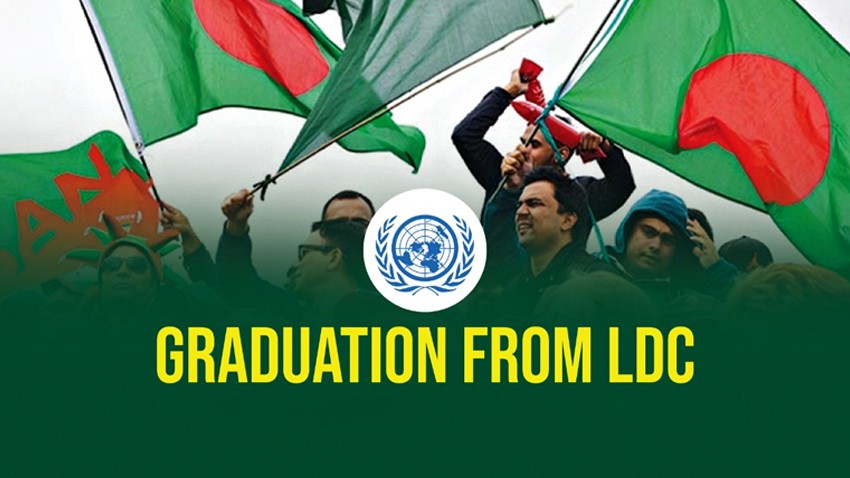
Bangladesh stands at a defining crossroads in its development trajectory as independent experts commissioned by the United Nations urge the country to maximize every remaining month before its scheduled exit from the least developed country category in November 2026.

A comprehensive graduation readiness assessment facilitated by the Office of High Representative for the Least Developed Countries, Landlocked Developing Countries and Small Island Developing States has delivered a clear message to policymakers in Dhaka. The nation must press forward with concrete preparations for life beyond LDC status regardless of any parallel diplomatic efforts to adjust the timeline.

The assessment conducted by international experts Mohammad Abdur Razzaque and Daniel Gay draws on extensive consultations with government officials, business leaders, civil society organizations and development partners operating within Bangladesh.

Their findings paint a picture of a country that has achieved remarkable progress in income levels, human development indicators and structural resilience yet faces significant headwinds as the graduation deadline approaches.

Stakeholders across sectors voiced apprehension during consultations about the challenging backdrop against which transition planning must occur. A weakening macroeconomic environment combined with heightened vulnerabilities and ongoing political changes has squeezed the capacity of institutions to formulate and execute policy responses effectively.

The expert report acknowledges that Bangladesh has already satisfied the technical requirements for graduation through successive evaluations by the United Nations Committee for Development Policy and subsequent General Assembly endorsement.

Instead of revisiting eligibility questions the assessment focuses squarely on whether the country possesses the institutional machinery and strategic frameworks needed to protect development achievements while building a more competitive and inclusive economy after LDC benefits expire.

Should Bangladesh pursue an extended preparation period the path forward demands sophisticated diplomatic coordination according to the assessment. Early engagement with relevant United Nations committees and mobilization of broad support for any General Assembly action would prove essential.

Equally important would be bringing major trading partners and development allies into substantive discussions about how additional time would translate into accelerated implementation of transition measures rather than mere postponement of difficult adjustments.

A recent high-level meeting on LDC graduation produced an outcome document where ministers acknowledged findings from the Committee for Development Policy suggesting that current global uncertainties warrant preparation periods of at least five years.

The document further recognized that systemic risks and external shocks could justify extending preparatory timelines by an additional three years depending on individual country circumstances.

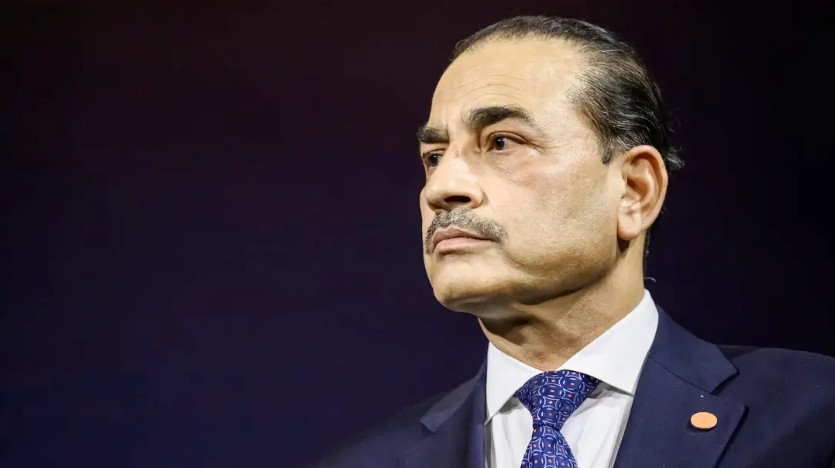
Finance and Planning Minister Amir Khosru Mahmud Chowdhury has indicated that the current government maintains a cautious stance on graduation timing.

Speaking on the matter the minister emphasized that economic strengthening efforts aligned with electoral commitments must precede any final transition and that Bangladesh will move forward with graduation only upon achieving sufficient economic readiness.

The assessment ultimately presents Bangladesh with a dual imperative. Intensive preparation must continue through implementation of priority actions outlined in the smooth transition strategy while any diplomatic engagement regarding timeline adjustments runs in parallel.

The experts stress that proposed time-bound measures must demonstrate clear purpose and measurable outcomes to gain international support rather than appearing as attempts to simply delay inevitable economic adjustments that graduation will bring.

Tag :
About Author Information

Bangladesh faces critical window to prepare for historic economic transition says UN report

Update Time : 11:44:10 pm, Sunday, 5 April 2026


Bangladesh stands at a defining crossroads in its development trajectory as independent experts commissioned by the United Nations urge the country to maximize every remaining month before its scheduled exit from the least developed country category in November 2026.

A comprehensive graduation readiness assessment facilitated by the Office of High Representative for the Least Developed Countries, Landlocked Developing Countries and Small Island Developing States has delivered a clear message to policymakers in Dhaka. The nation must press forward with concrete preparations for life beyond LDC status regardless of any parallel diplomatic efforts to adjust the timeline.

The assessment conducted by international experts Mohammad Abdur Razzaque and Daniel Gay draws on extensive consultations with government officials, business leaders, civil society organizations and development partners operating within Bangladesh.

Their findings paint a picture of a country that has achieved remarkable progress in income levels, human development indicators and structural resilience yet faces significant headwinds as the graduation deadline approaches.

Stakeholders across sectors voiced apprehension during consultations about the challenging backdrop against which transition planning must occur. A weakening macroeconomic environment combined with heightened vulnerabilities and ongoing political changes has squeezed the capacity of institutions to formulate and execute policy responses effectively.

The expert report acknowledges that Bangladesh has already satisfied the technical requirements for graduation through successive evaluations by the United Nations Committee for Development Policy and subsequent General Assembly endorsement.

Instead of revisiting eligibility questions the assessment focuses squarely on whether the country possesses the institutional machinery and strategic frameworks needed to protect development achievements while building a more competitive and inclusive economy after LDC benefits expire.

Should Bangladesh pursue an extended preparation period the path forward demands sophisticated diplomatic coordination according to the assessment. Early engagement with relevant United Nations committees and mobilization of broad support for any General Assembly action would prove essential.

Equally important would be bringing major trading partners and development allies into substantive discussions about how additional time would translate into accelerated implementation of transition measures rather than mere postponement of difficult adjustments.

A recent high-level meeting on LDC graduation produced an outcome document where ministers acknowledged findings from the Committee for Development Policy suggesting that current global uncertainties warrant preparation periods of at least five years.

The document further recognized that systemic risks and external shocks could justify extending preparatory timelines by an additional three years depending on individual country circumstances.

Finance and Planning Minister Amir Khosru Mahmud Chowdhury has indicated that the current government maintains a cautious stance on graduation timing.

Speaking on the matter the minister emphasized that economic strengthening efforts aligned with electoral commitments must precede any final transition and that Bangladesh will move forward with graduation only upon achieving sufficient economic readiness.

The assessment ultimately presents Bangladesh with a dual imperative. Intensive preparation must continue through implementation of priority actions outlined in the smooth transition strategy while any diplomatic engagement regarding timeline adjustments runs in parallel.

The experts stress that proposed time-bound measures must demonstrate clear purpose and measurable outcomes to gain international support rather than appearing as attempts to simply delay inevitable economic adjustments that graduation will bring.