2:40 pm, Monday, 6 April 2026

Opposition leader demands end to 54-year of fascism thru Constitutional Reform


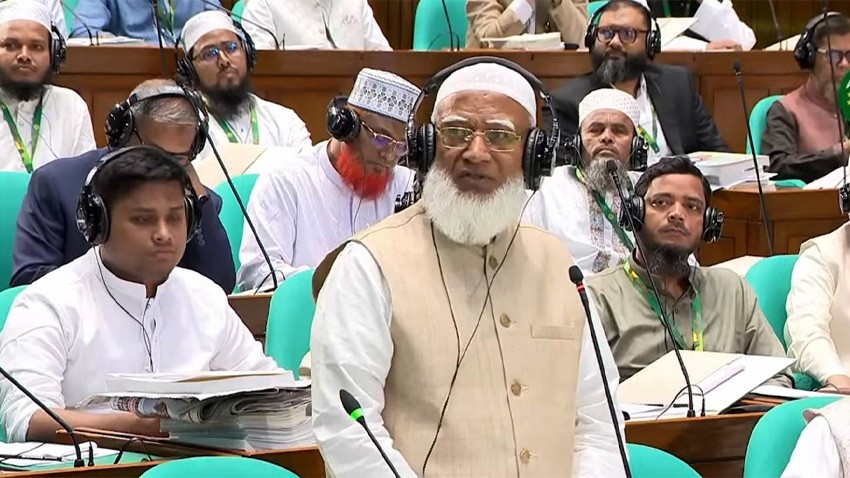
Opposition Leader and Jamaat-e-Islami Ameer Dr Shafiqur Rahman has called for fundamental reform of constitutional provisions that he says have repeatedly given rise to fascism over the past 54 years, declaring that his alliance seeks to bury fascism once and for all.

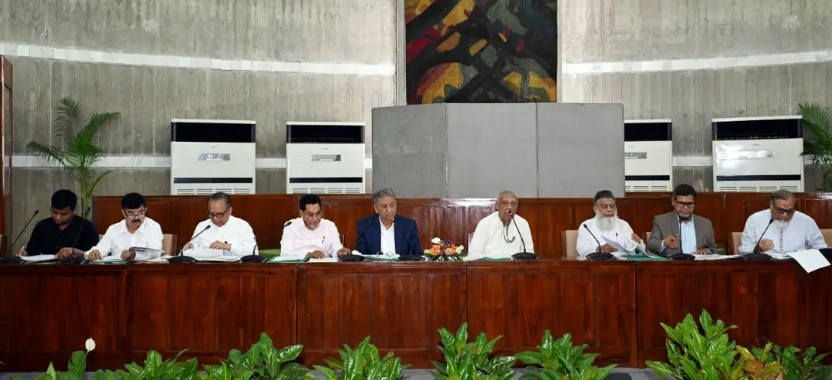
Speaking in the national parliament on Sunday (April 5) during the eighth day of the thirteenth session, Dr Shafiqur participated in discussions on an adjournment motion brought by Noakhali-2 lawmaker Zainul Abedin Faruk.

Speaker Hafiz Uddin Ahmed Bir Bikrom presided over the session.

Dr Shafiqur clarified his party’s position on constitutional change, stating that the opposition has never advocated discarding the constitution entirely.

He said they want targeted reforms of specific provisions that have enabled authoritarian rule for over five decades, emphasizing the goal of ensuring fascism can never return under the cover of any law or constitutional provision.

The opposition leader strongly protested a ruling party member’s remarks about a so-called killing culture directed at his party. He called such allegations shameful for the parliament, describing Jamaat-e-Islami as the most persecuted political party in the country’s history.

He recounted how 11 of the party’s top leaders were subjected to what he termed cold-blooded judicial killings, while thousands of activists were eliminated through extrajudicial killings or forcibly disappeared. He added that the party was even banned in an attempt to derail the July revolution.

Tracing what he described as the origins of fascism, Dr Shafiqur pointed to October 28, 2006, when six party workers were beaten to death at Paltan intersection in Dhaka during violent clashes involving sticks and oars. He recalled that assailants danced on the bodies of the victims, a scene that shocked the entire world.

Addressing concerns about a rift between the government and opposition over the July Charter, Dr Shafiqur denied any conflict.

He affirmed that his party accepts the July Charter, recognizes the reality of the mass uprising, supports the referendum, and endorses the formation of a reform council through the referendum process.

He reminded parliament that all current lawmakers campaigned in favor of the referendum and questioned why attempts were being made to create confrontation.

Regarding the 133 ordinances issued during the interim government period, the opposition leader called for the committee reviewing them to present its complete report before parliament.

He expressed willingness to participate sincerely in deliberations on the resulting bills once the report is available, advocating for a sound legal framework built through cooperation between ruling and opposition parties.

Dr Shafiqur urged lawmakers to stop engaging in character assassination on the parliament floor, describing the institution as a platform for guiding the nation rather than defaming individuals.

He called for building a Bangladesh free from discrimination, where no one from marginalized communities to the presidential palace faces injustice and where no one escapes accountability for crimes committed through the arrogance of power.

The opposition leader also raised procedural concerns about bringing a new adjournment motion while a similar one remained pending, urging strict adherence to parliamentary rules and procedures


Tag :
About Author Information

Opposition leader demands end to 54-year of fascism thru Constitutional Reform

Update Time : 11:54:11 pm, Sunday, 5 April 2026


Opposition Leader and Jamaat-e-Islami Ameer Dr Shafiqur Rahman has called for fundamental reform of constitutional provisions that he says have repeatedly given rise to fascism over the past 54 years, declaring that his alliance seeks to bury fascism once and for all.

Speaking in the national parliament on Sunday (April 5) during the eighth day of the thirteenth session, Dr Shafiqur participated in discussions on an adjournment motion brought by Noakhali-2 lawmaker Zainul Abedin Faruk.

Speaker Hafiz Uddin Ahmed Bir Bikrom presided over the session.

Dr Shafiqur clarified his party’s position on constitutional change, stating that the opposition has never advocated discarding the constitution entirely.

He said they want targeted reforms of specific provisions that have enabled authoritarian rule for over five decades, emphasizing the goal of ensuring fascism can never return under the cover of any law or constitutional provision.

The opposition leader strongly protested a ruling party member’s remarks about a so-called killing culture directed at his party. He called such allegations shameful for the parliament, describing Jamaat-e-Islami as the most persecuted political party in the country’s history.

He recounted how 11 of the party’s top leaders were subjected to what he termed cold-blooded judicial killings, while thousands of activists were eliminated through extrajudicial killings or forcibly disappeared. He added that the party was even banned in an attempt to derail the July revolution.

Tracing what he described as the origins of fascism, Dr Shafiqur pointed to October 28, 2006, when six party workers were beaten to death at Paltan intersection in Dhaka during violent clashes involving sticks and oars. He recalled that assailants danced on the bodies of the victims, a scene that shocked the entire world.

Addressing concerns about a rift between the government and opposition over the July Charter, Dr Shafiqur denied any conflict.

He affirmed that his party accepts the July Charter, recognizes the reality of the mass uprising, supports the referendum, and endorses the formation of a reform council through the referendum process.

He reminded parliament that all current lawmakers campaigned in favor of the referendum and questioned why attempts were being made to create confrontation.

Regarding the 133 ordinances issued during the interim government period, the opposition leader called for the committee reviewing them to present its complete report before parliament.

He expressed willingness to participate sincerely in deliberations on the resulting bills once the report is available, advocating for a sound legal framework built through cooperation between ruling and opposition parties.

Dr Shafiqur urged lawmakers to stop engaging in character assassination on the parliament floor, describing the institution as a platform for guiding the nation rather than defaming individuals.

He called for building a Bangladesh free from discrimination, where no one from marginalized communities to the presidential palace faces injustice and where no one escapes accountability for crimes committed through the arrogance of power.

The opposition leader also raised procedural concerns about bringing a new adjournment motion while a similar one remained pending, urging strict adherence to parliamentary rules and procedures