12:30 am, Wednesday, 10 June 2026

Jamaat proposes Tk 8,39,000cr alternative nat’l budget for FY 2026-27


Bangladesh Jamaat-e-Islami has proposed an alternative national budget of Tk 8,39,000 crore for the 2026-27 fiscal year, prioritizing public administration, debt servicing, and the education and technology sectors.


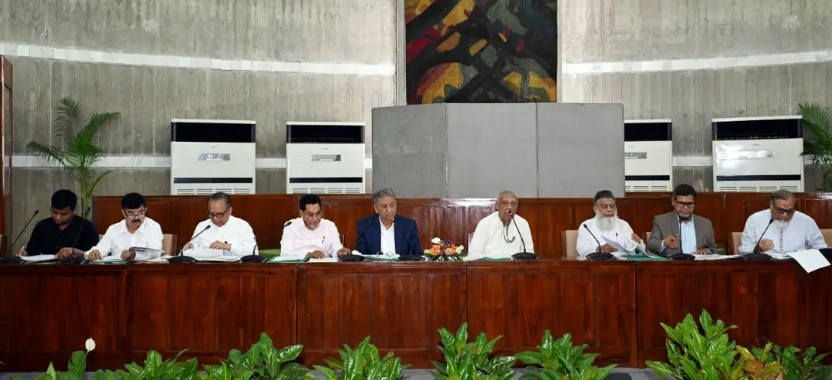
The official opposition party in parliament unveiled its “People-Oriented Budget 2026-27” during an event at the Al Falah Auditorium in Dhaka’s Moghbazar on Tuesday afternoon.


Saiful Alam Khan Milon, a central executive council member and Member of Parliament for Dhaka-12, presented the comprehensive financial blueprint on behalf of the party.


An analysis of the proposed budget reveals that the highest allocation of Tk 2,02,000 crore, accounting for 24.09 percent of the total budget, has been earmarked for public administration.


The payment of interest on domestic and foreign loans emerged as the second-largest expenditure, receiving Tk 1,27,000 crore or 15.19 percent of the total.


Education and technology also received significant focus, with an allocation of Tk 1,25,000 crore representing 14.96 percent of the budget.


To improve national connectivity, the party proposed Tk 65,340 crore for the transport and communication sector.


Ensuring food security and supporting marginalized communities were also highlighted as key priorities.


The agriculture sector was allocated Tk 51,670 crore, while Tk 48,150 crore was suggested for social security and welfare programs.


Furthermore, the health sector and local government and rural development received nearly identical allocations of around Tk 45,200 crore each.


The alternative budget outlined provisions for several other crucial areas, designating Tk 43,460 crore for defense, Tk 34,450 crore for public order and safety, and Tk 24,950 crore for power and energy.


Smaller allocations were directed toward recreation, culture, and religion, as well as industrial services and the housing sector, rounding out the party’s vision for the nation’s economic management.


 

Tag :
About Author Information

Jamaat proposes Tk 8,39,000cr alternative nat’l budget for FY 2026-27

Update Time : 09:15:16 pm, Tuesday, 9 June 2026


Bangladesh Jamaat-e-Islami has proposed an alternative national budget of Tk 8,39,000 crore for the 2026-27 fiscal year, prioritizing public administration, debt servicing, and the education and technology sectors.


The official opposition party in parliament unveiled its “People-Oriented Budget 2026-27” during an event at the Al Falah Auditorium in Dhaka’s Moghbazar on Tuesday afternoon.


Saiful Alam Khan Milon, a central executive council member and Member of Parliament for Dhaka-12, presented the comprehensive financial blueprint on behalf of the party.


An analysis of the proposed budget reveals that the highest allocation of Tk 2,02,000 crore, accounting for 24.09 percent of the total budget, has been earmarked for public administration.


The payment of interest on domestic and foreign loans emerged as the second-largest expenditure, receiving Tk 1,27,000 crore or 15.19 percent of the total.


Education and technology also received significant focus, with an allocation of Tk 1,25,000 crore representing 14.96 percent of the budget.


To improve national connectivity, the party proposed Tk 65,340 crore for the transport and communication sector.


Ensuring food security and supporting marginalized communities were also highlighted as key priorities.


The agriculture sector was allocated Tk 51,670 crore, while Tk 48,150 crore was suggested for social security and welfare programs.


Furthermore, the health sector and local government and rural development received nearly identical allocations of around Tk 45,200 crore each.


The alternative budget outlined provisions for several other crucial areas, designating Tk 43,460 crore for defense, Tk 34,450 crore for public order and safety, and Tk 24,950 crore for power and energy.


Smaller allocations were directed toward recreation, culture, and religion, as well as industrial services and the housing sector, rounding out the party’s vision for the nation’s economic management.