 রিপোর্টারের নাম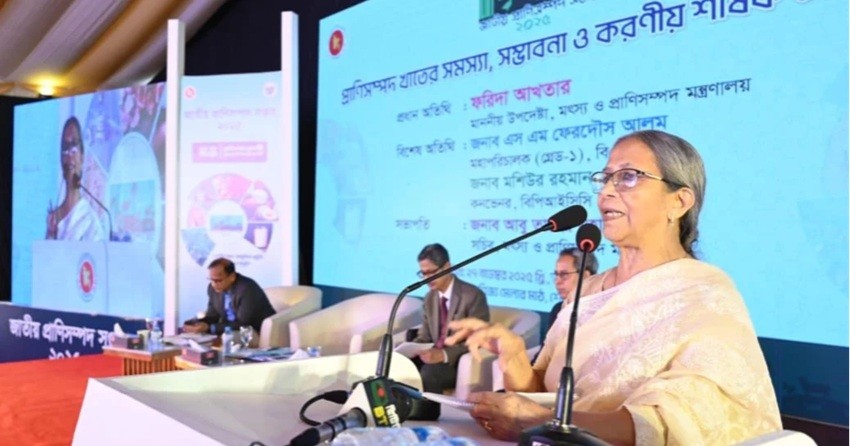
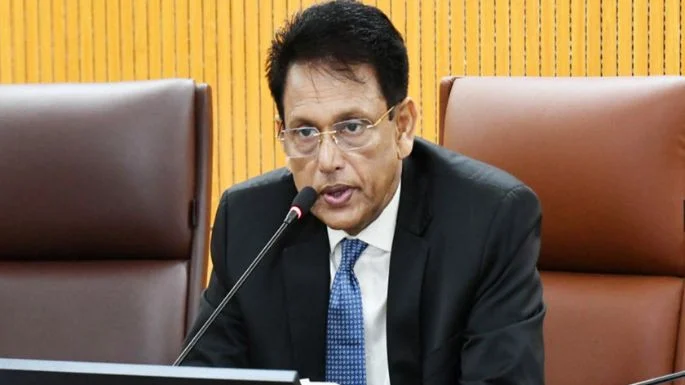
Fisheries and Livestock Adviser Farida Akhter has called for increased financing from global public-sector climate-risk funds to support women entrepreneurs and others facing climate-induced vulnerabilities in Bangladesh.
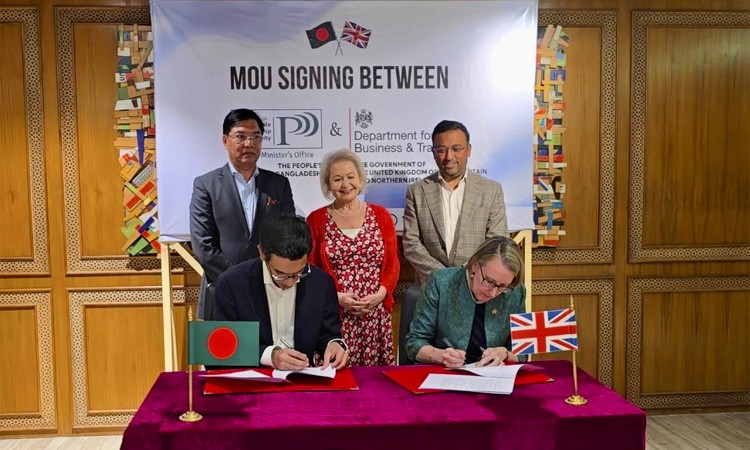
Speaking at a seminar titled “Voices for Change: Putting Climate Action, Women Entrepreneurs, and SMEs in Bangladeshi Public Policy” at a city hotel on Saturday, Farida said those running environmentally friendly and sustainable businesses should receive priority in climate funding.
Emphasising the importance of women’s participation in the economy, she noted that promoting women entrepreneurs is not just about increasing their numbers but ensuring their visibility.
“Institutions such as Bangladesh Bank and SME Foundation offer special facilities, but the overall support is still inadequate, even though women make up 51% of the population. Women must also claim their rightful share,” she said.
Highlighting the crucial role of small and medium enterprises, the adviser said SMEs remain the country’s largest source of employment, with the potential to engage 50–60% of women. Each woman entrepreneur, she added, creates opportunities for several more women.
Farida praised women’s financial discipline, noting their strong loan repayment records, and urged greater loan support for them.
Turning to climate change, she said it is a daily crisis—unlike earthquakes—yet Bangladesh, despite being a negligible carbon emitter, remains among the seven most climate-vulnerable countries.
She also noted that women’s voices were not adequately reflected in global climate negotiations, drawing from her experience heading Bangladesh’s delegation to COP30 in Belém, Brazil.
She acknowledged that some agricultural and livestock practices in Bangladesh contribute to rising emissions, adding that the ministry is working to reduce methane by improving cattle feed.
In contrast, she said, industrialised countries produce far higher emissions through large-scale livestock production.
Identifying fisheries as the sector most affected by climate change, Farida pointed to declining hilsa stocks in rivers and the sea and the growth of low-oxygen zones in ocean areas as major threats to marine resources.
Speakers at the seminar called for stronger participation of women entrepreneurs and SMEs in addressing climate impacts and urged sustainable policy support, public–private collaboration and expansion of the SME sector to build a climate-resilient economy and advance national development goals.