 রিপোর্টারের নাম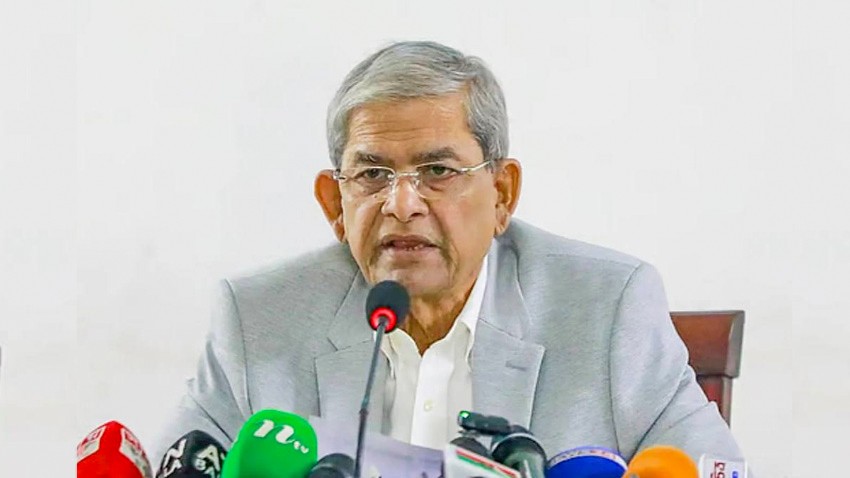
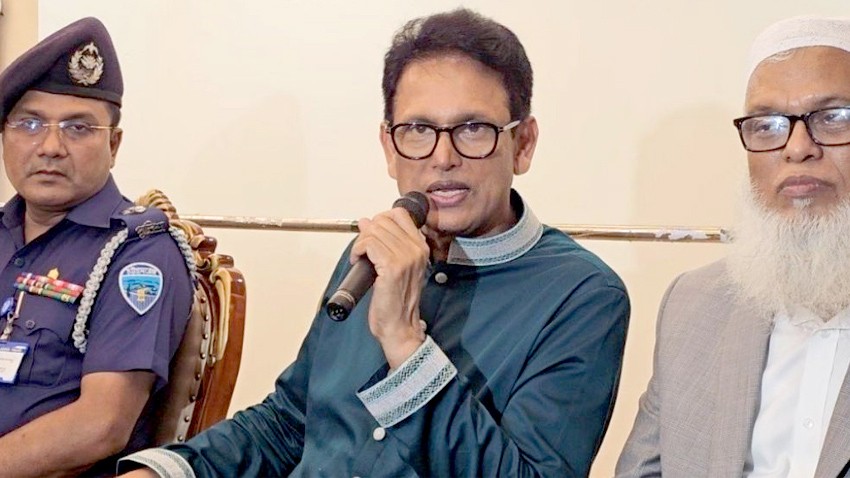
BNP Secretary General Mirza Fakhrul Islam Alamgir has formally joined the appeal challenging the High Court verdict that struck down several key provisions of the country’s 15th Constitutional Amendment, including the abolition of caretaker government system.
In his petition, Fakhrul has sought the cancellation of the entire amendment.
A bench of the Appellate Division headed by Chief Justice Dr Syed Refaat Ahmed accepted his petition on Tuesday. The court has yet to schedule a hearing date. Barrister Ruhul Quddus Kajal appeared for Fakhrul.
The development follows the Appellate Division’s November 13 decision granting leave to appeal against the High Court ruling, which found several components of the amendment — particularly those repealing the caretaker system — to be unconstitutional. That leave petition was filed by Dr Sharif Bhuiyan, with Additional Attorney General Barrister Aneek R Haque representing the state.
Dr Bhuiyan earlier lodged a separate leave-to-appeal petition on November 3 on behalf of Badiul Alam Majumdar, secretary of citizens’ group Sujon, urging the Supreme Court to strike down the 15th Amendment in its entirety.
On December 17 last year, the High Court invalidated multiple provisions of the amendment, ruling that the removal of the caretaker government system violated the constitution’s basic structure. The court also reinstated the referendum provision by cancelling Section 47 of the amendment, which had omitted it from Article 142. However, it stopped short of nullifying the full amendment.
The High Court observed that democracy can only endure through free, fair and neutral elections, noting that the last three national polls held under partisan governments failed to reflect the public mandate and fuelled the mass uprising in July. It ruled that the caretaker system, introduced in response to popular demand, had become integral to the constitution’s basic structure.
While the 15th Amendment changed or inserted 54 constitutional provisions, the court said only those conflicting with the basic structure were unconstitutional. It left intact politically and historically significant provisions, including those recognising the Father of the Nation and affirming 26 March.