 রিপোর্টারের নাম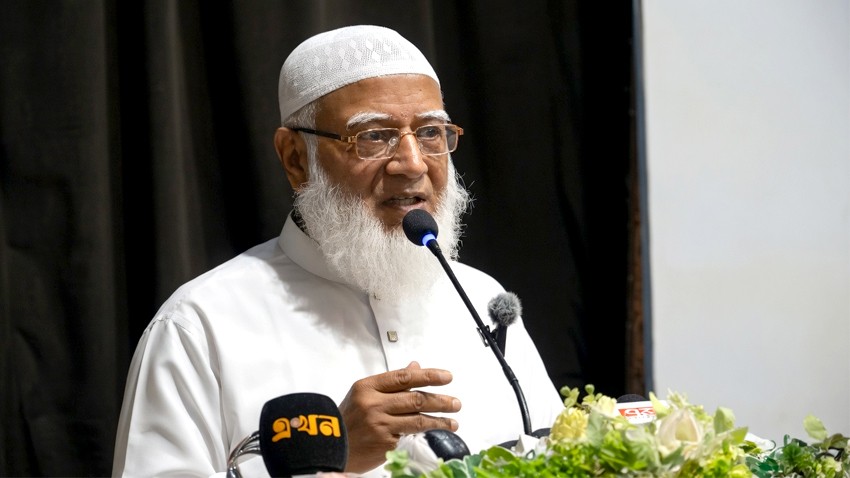
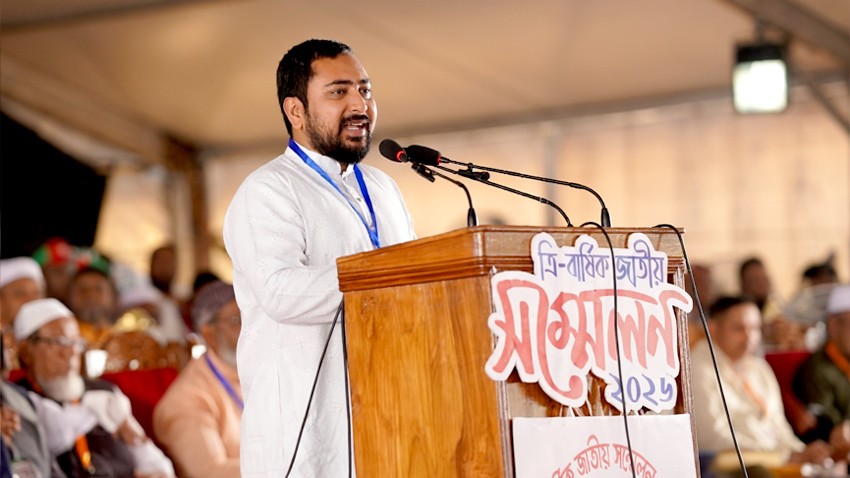
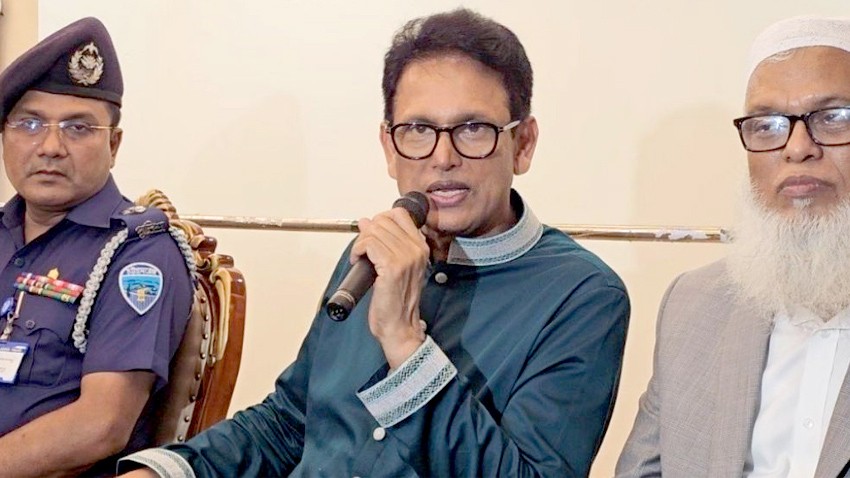
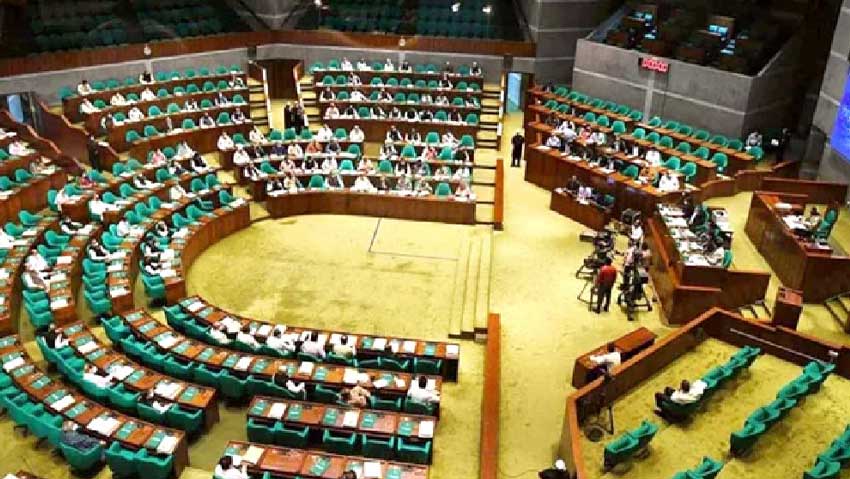
Opposition leader and Jamaat-e-Islami chief Dr Shafiqur Rahman on Saturday mocked the government’s claims of normal fuel supplies, saying the country appears to have fuel only in parliament while ordinary citizens face long queues and shortages at pumps.
Speaking at a seminar in the capital’s Krishibid Institute of Bangladesh auditorium, Shafiqur said, “If you listen to ministers and ruling party MPs in parliament, it sounds like the country is floating on oil. But ordinary people cannot get fuel even after standing in line for miles.”
The seminar, titled Impact of the Global Fuel Crisis on Bangladesh Agriculture: Ways Forward, was organised by the Agriculturalist Forum of Bangladesh.
Shafiqur criticised what he called a culture of “patchwork and cosmetic fixes” across the system, from banking to governance. He alleged that institutions are being kept afloat through accounting manoeuvres rather than real liquidity and performance, and urged the creation of a merit-based society instead of a politics-driven one.
He also voiced concern over alleged attempts to force leadership changes at the Krishibid Institute, comparing it to recent controversies around the Bangladesh Cricket Board. “Why should politics of forcibly capturing leadership exist in organisations of talented professionals like agriculturists?” he said, calling on the government to place qualified people in appropriate roles without considering party, religion or gender.
Warning that a crisis in agriculture would become a national crisis, Shafiqur said fuel shortages are preventing farmers from irrigating fields, posing a serious threat to food security. “If agriculture collapses, no foreign loan or assistance will make the nation stand on its feet,” he said.
To address the fuel crunch, he urged the government to be transparent in demand management and to build a priority-based buffer stock of at least 60 to 90 days. He also called for breaking fuel syndicates and expanding solar and other alternative energy sources.
Shafiqur warned that if the government continued down what he described as a path of “syndicates, fascism and muscle power,” his party would resist.
At the seminar, a keynote paper said around 18 percent of the country’s total energy is used in agriculture and warned of a major risk to the Boro rice season amid the current fuel crisis. The event was chaired by Agriculturalist Forum President Professor A T M Mahbub-e-Ilahi.