 রিপোর্টারের নাম
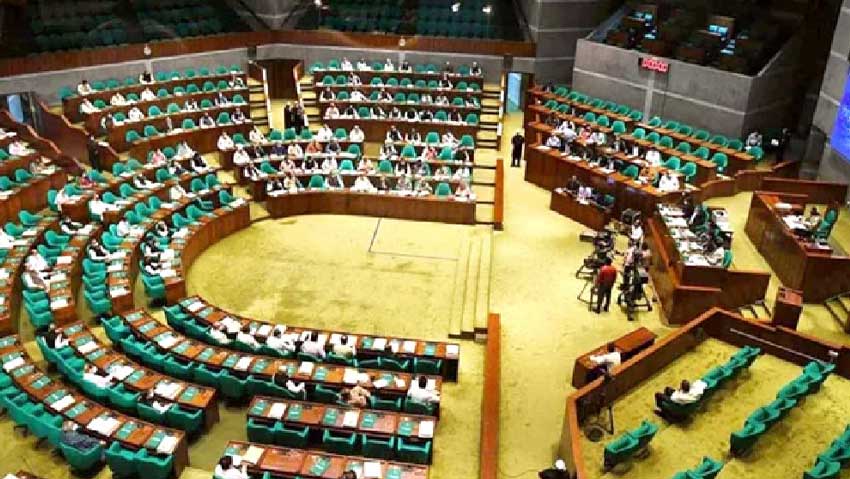
The national parliament on Tuesday enacted eight bills that transform ordinances issued under the interim administration of Professor Muhammad Yunus into permanent laws through a streamlined approval process.
Lawmakers passed all eight measures by voice vote without clause-by-clause amendments or parliamentary debate. Ministers presented each bill which then proceeded directly to voting.
The interim government had issued 133 ordinances during its tenure. A parliamentary special committee reviewed these measures and recommended 98 for approval in original form and 15 with modifications.
The committee advised repealing four ordinances while suggesting that 16 others be strengthened through new legislation to be introduced later.
The eight bills, approved Tuesday, received the committee’s endorsement for passage without changes.
Water Resources Minister Shahiduddin Chowdhury Annie introduced the Haor and Wetland Conservation Bill, which gained parliamentary approval through voice vote.
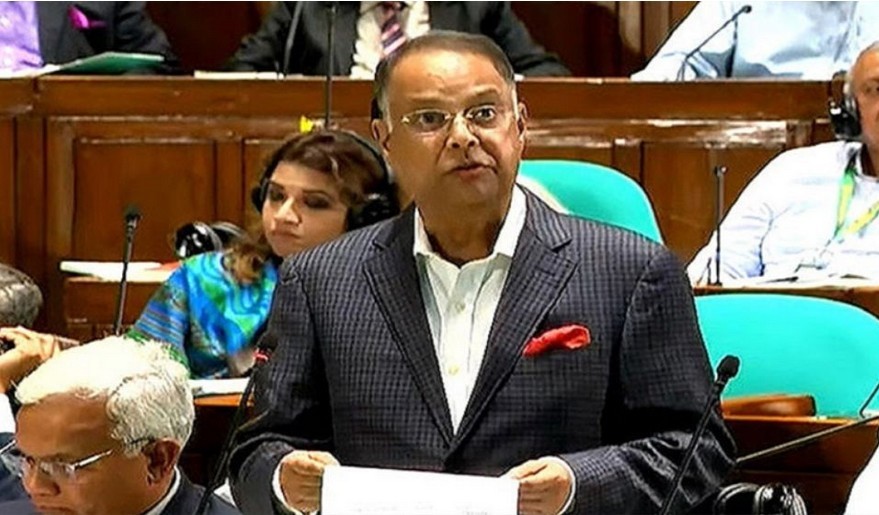
Law Minister Asaduzzaman subsequently presented four separate bills for consideration: amendments to the Code of Criminal Procedure, Civil Courts Act, International Crimes Tribunals Act, and Registration Act. Each received individual approval by voice vote.
During presentation of the International Crimes Tribunal amendment, the Law Minister highlighted that the legislation now incorporates enforced disappearance within the legal definition of crimes against humanity. He challenged critics questioning the government’s commitment to addressing enforced disappearances to examine the law carefully, asserting that the administration remains determined to prosecute such cases.
Opposition Leader Shafiqur Rahman raised a point of order following the bill’s passage, suggesting the Law Minister’s remarks were unnecessary and indicating his side would address the matter at an appropriate time.
The Law Minister defended his comments, explaining that external observers have questioned governmental sincerity regarding disappearance trials, necessitating clarification of the administration’s commitment.
Speaker Hafiz Uddin Ahmad intervened, noting that outside commentary should not dictate parliamentary proceedings and emphasizing that legal adoption would follow proper procedures.
Three additional bills concerned healthcare institutions and primarily involved name changes to existing laws. Home Minister Salahuddin Ahmed introduced these measures in the absence of the Health Minister.
The bills addressed amendments to Bangabandhu Sheikh Mujib Medical University and Sheikh Hasina Medical University. During presentation of the second bill, Salahuddin expressed reluctance about repeating the name Sheikh Hasina.
Health Minister Sardar Md. Sakhawat Hossain later proposed the Bangamata Sheikh Fazilatunnesa Mujib Medical University Sylhet Amendment Bill, which parliament approved by voice vote.