10:04 pm, Wednesday, 24 June 2026

Iran hails US deal as ‘Declaration of Defeat’


Iran on Wednesday described its recent agreement with the United States as a “declaration of America’s defeat,” as US Secretary of State Marco Rubio began a Gulf tour aimed at reassuring regional allies following months of conflict and instability in the Middle East.

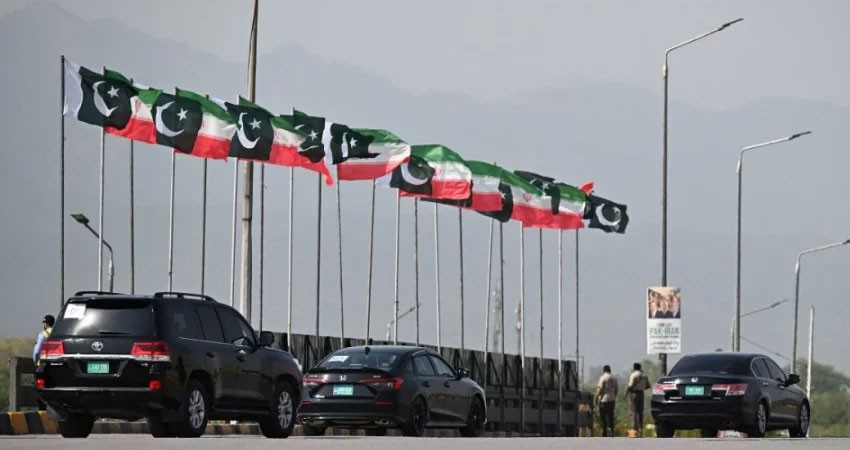
Speaking after the signing of a US-Iran memorandum of understanding brokered through Pakistan, Iran’s chief negotiator Mohammad Bagher Ghalibaf said the agreement was achieved through the “resistance and authority” of the Iranian people rather than external pressure.

“The Islamabad understanding was not the result of pressure and coercion, but rather the result of the resistance and authority of the brave Iranian nation,” Ghalibaf said. “That is why the Islamabad Memorandum of Understanding became a declaration of America’s defeat.”

The agreement follows a conflict that began with a large-scale US-Israeli military campaign against Iran on February 28 and triggered widespread regional instability. During the war, Iran retaliated by launching drones and missiles at Gulf states and disrupting maritime traffic in a strategic energy shipping route.

The accord, signed last week, has initiated a process aimed at reaching a permanent settlement between Washington and Tehran. While Iran’s leadership has undergone changes, the country’s governing system remains intact.

Meanwhile, Rubio arrived in the United Arab Emirates before continuing visits to Kuwait and Bahrain, where he is expected to attend a meeting of the Gulf Cooperation Council (GCC). He said discussions would focus on the US-Iran agreement, particularly concerns among Gulf states and Israel regarding Iran’s missile programme and regional proxy groups.

Rubio also rejected suggestions that countries bordering the Strait of Hormuz could impose transit charges on vessels using the vital international waterway.

“It’s an international waterway,” Rubio said. “No country is allowed to charge tolls or fees on an international waterway. That’s existing international law.”

Iran, however, maintained that regional countries should pursue cooperation with Tehran rather than depend on Western powers for security.

“We see the future of the region not in confrontation but in interaction, and not in elimination but in coexistence,” Ghalibaf said.

He also stressed that maintaining peace in Lebanon remained a key condition for achieving a lasting agreement with the United States, noting that the ceasefire there was as important to Tehran as the end of hostilities involving Iran.

In Lebanon, residents in heavily damaged areas continued recovery efforts following months of conflict. In the southern coastal city of Tyre, shop owners and residents began rebuilding their lives despite extensive destruction caused by Israeli airstrikes.

Analysts believe that although opposition to negotiations exists within Iran’s political establishment, internal divisions are unlikely to derail the diplomatic process.

Pakistan confirmed that technical-level discussions between the two sides are expected to resume next week as efforts continue toward a comprehensive settlement.

One of the main unresolved issues remains Iran’s nuclear programme. While US President Donald Trump said Tehran had agreed to allow United Nations inspectors to return, Iranian officials denied any such commitment.

Despite the disagreement, International Atomic Energy Agency (IAEA) Director General Rafael Grossi expressed confidence that inspections of Iranian nuclear facilities would eventually resume.

“Whether this happens today, after tomorrow, or in one week or 10 days, it’s important but not essential. This is going to happen,” Grossi said.


Tag :
About Author Information

Iran hails US deal as ‘Declaration of Defeat’

Update Time : 06:18:08 pm, Wednesday, 24 June 2026


Iran on Wednesday described its recent agreement with the United States as a “declaration of America’s defeat,” as US Secretary of State Marco Rubio began a Gulf tour aimed at reassuring regional allies following months of conflict and instability in the Middle East.

Speaking after the signing of a US-Iran memorandum of understanding brokered through Pakistan, Iran’s chief negotiator Mohammad Bagher Ghalibaf said the agreement was achieved through the “resistance and authority” of the Iranian people rather than external pressure.

“The Islamabad understanding was not the result of pressure and coercion, but rather the result of the resistance and authority of the brave Iranian nation,” Ghalibaf said. “That is why the Islamabad Memorandum of Understanding became a declaration of America’s defeat.”

The agreement follows a conflict that began with a large-scale US-Israeli military campaign against Iran on February 28 and triggered widespread regional instability. During the war, Iran retaliated by launching drones and missiles at Gulf states and disrupting maritime traffic in a strategic energy shipping route.

The accord, signed last week, has initiated a process aimed at reaching a permanent settlement between Washington and Tehran. While Iran’s leadership has undergone changes, the country’s governing system remains intact.

Meanwhile, Rubio arrived in the United Arab Emirates before continuing visits to Kuwait and Bahrain, where he is expected to attend a meeting of the Gulf Cooperation Council (GCC). He said discussions would focus on the US-Iran agreement, particularly concerns among Gulf states and Israel regarding Iran’s missile programme and regional proxy groups.

Rubio also rejected suggestions that countries bordering the Strait of Hormuz could impose transit charges on vessels using the vital international waterway.

“It’s an international waterway,” Rubio said. “No country is allowed to charge tolls or fees on an international waterway. That’s existing international law.”

Iran, however, maintained that regional countries should pursue cooperation with Tehran rather than depend on Western powers for security.

“We see the future of the region not in confrontation but in interaction, and not in elimination but in coexistence,” Ghalibaf said.

He also stressed that maintaining peace in Lebanon remained a key condition for achieving a lasting agreement with the United States, noting that the ceasefire there was as important to Tehran as the end of hostilities involving Iran.

In Lebanon, residents in heavily damaged areas continued recovery efforts following months of conflict. In the southern coastal city of Tyre, shop owners and residents began rebuilding their lives despite extensive destruction caused by Israeli airstrikes.

Analysts believe that although opposition to negotiations exists within Iran’s political establishment, internal divisions are unlikely to derail the diplomatic process.

Pakistan confirmed that technical-level discussions between the two sides are expected to resume next week as efforts continue toward a comprehensive settlement.

One of the main unresolved issues remains Iran’s nuclear programme. While US President Donald Trump said Tehran had agreed to allow United Nations inspectors to return, Iranian officials denied any such commitment.

Despite the disagreement, International Atomic Energy Agency (IAEA) Director General Rafael Grossi expressed confidence that inspections of Iranian nuclear facilities would eventually resume.

“Whether this happens today, after tomorrow, or in one week or 10 days, it’s important but not essential. This is going to happen,” Grossi said.