12:07 am, Thursday, 23 July 2026

Bangladesh moves to privatise electricity distribution


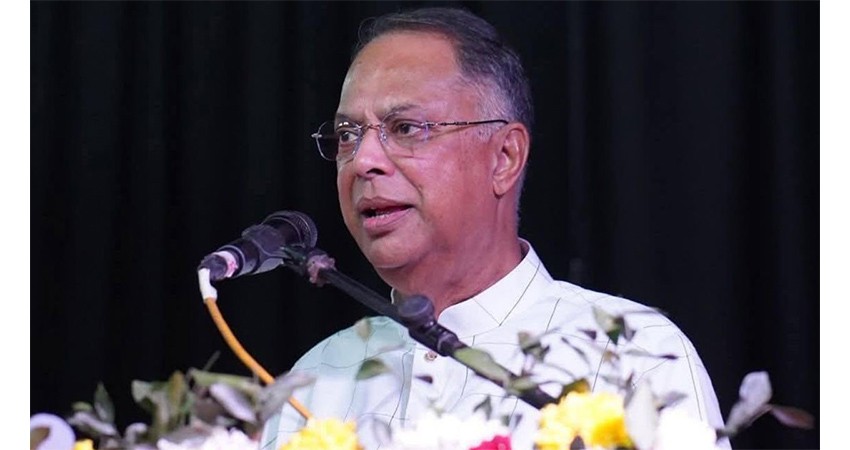
Power, Energy and Mineral Resources Minister Iqbal Hasan Mahmood on Wednesday said the government is moving to privatise Bangladesh’s electricity distribution system to improve efficiency, accountability and bill collection, adding that it has already received the Prime Minister’s approval to proceed with the initiative.


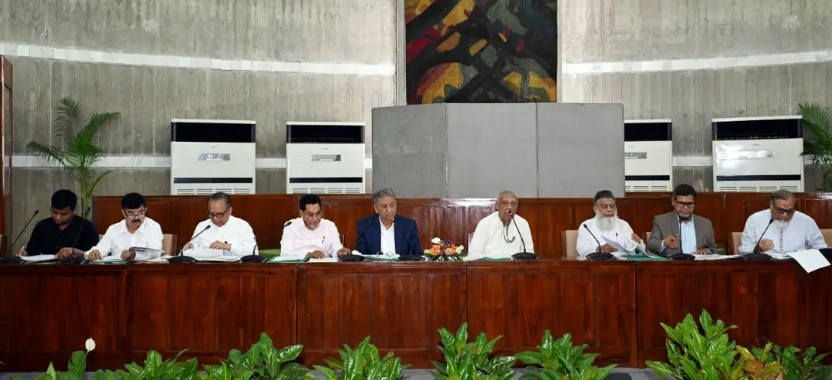
The minister made the remarks while addressing the “Energy Security & Transformation of Bangladesh” conclave organised by Bangla daily Bonik Barta at the Pan Pacific Sonargaon in Dhaka.


He said the government had invited proposals from the private sector to take over electricity distribution companies, arguing that private participation would bring greater transparency, improve service quality and reduce the state’s financial burden.


“The electricity distribution system should definitely be privatised,” he said, noting that electricity distribution in neighbouring countries is managed by different private companies in different cities. However, he clarified that electricity generation would remain under government control.


Highlighting the country’s energy challenges, Mahmood said the previous government had left the energy sector without proper planning, with excessive dependence on imported fuel and inadequate investment in domestic gas exploration.


He said the recent disruption at one of the country’s Floating Storage and Regasification Units (FSRUs), where a fire broke out on Tuesday, had exposed the vulnerability of Bangladesh’s LNG import infrastructure, leading to gas supply disruptions and low pressure in several regions, including Mymensingh.


According to the minister, strengthening domestic gas exploration alongside expanding LNG import infrastructure is essential to ensuring long-term energy security so that problems at a single terminal do not trigger nationwide supply disruptions.


He criticised what he described as poorly planned energy projects, citing a gas-fired power plant in Khulna that remains idle because no gas supply arrangement was made before construction. Although the country has installed around 28,000 megawatts of power generation capacity, he said, little attention was given to securing adequate fuel supplies.


Mahmood also said the global energy market has become increasingly uncertain due to geopolitical tensions, including the conflict involving Iran, making LNG imports more expensive. He noted that Bangladesh currently has outstanding energy sector liabilities amounting to Tk 67,000 crore while also bearing the cost of ongoing fuel imports.


Despite the challenges, he said the government is working to stabilise the sector through transparent management and long-term reforms.


The minister also highlighted the government’s renewable energy agenda, saying a new renewable energy policy has already been announced and received positive feedback from the Centre for Policy Dialogue (CPD).


He said the government plans to implement solar power projects on a cluster basis to reduce pressure on the national distribution system, with tenders expected to be floated by September. Chinese companies have already shown interest in investing in the sector, he added.


Mahmood expressed optimism that Bangladesh could generate up to 10,000 megawatts of renewable energy with adequate cooperation from stakeholders.


To encourage rooftop solar installations, he said the government would offer tax rebates and reduced holding taxes to property owners who install solar panels, while those who do not may face higher taxes.


The minister also said the government aims to strengthen social welfare programmes under Prime Minister Tarique Rahman’s vision of a welfare state through initiatives such as health cards, family cards and expatriate cards. He added that 1,000 dialysis machines would be procured to provide affordable treatment across the country.


Business leaders attending the conclave voiced deep concern over the country’s electricity and gas shortages, warning that sustained industrialisation and both local and foreign investment would remain difficult without reliable energy supplies.


Among those who also addressed the event were BERC Chairman Jalal Ahmed, East Coast Group Chairman Azam J. Chowdhury, Transcom Group Group CEO Simeen Rahman, former Power Grid Bangladesh PLC Chairman Dr. M. Rizwan Khan, former IDCOL Managing Director Alamgir Morshed, Standard Chartered Bangladesh Interim CEO Md. Enamul Haque, and Bangladesh Sustainable and Renewable Energy Association (BSREA) President Mostafa Al Mahmud.

 

Tag :
About Author Information

Bangladesh moves to privatise electricity distribution

Update Time : 10:28:33 pm, Wednesday, 22 July 2026


Power, Energy and Mineral Resources Minister Iqbal Hasan Mahmood on Wednesday said the government is moving to privatise Bangladesh’s electricity distribution system to improve efficiency, accountability and bill collection, adding that it has already received the Prime Minister’s approval to proceed with the initiative.


The minister made the remarks while addressing the “Energy Security & Transformation of Bangladesh” conclave organised by Bangla daily Bonik Barta at the Pan Pacific Sonargaon in Dhaka.


He said the government had invited proposals from the private sector to take over electricity distribution companies, arguing that private participation would bring greater transparency, improve service quality and reduce the state’s financial burden.


“The electricity distribution system should definitely be privatised,” he said, noting that electricity distribution in neighbouring countries is managed by different private companies in different cities. However, he clarified that electricity generation would remain under government control.


Highlighting the country’s energy challenges, Mahmood said the previous government had left the energy sector without proper planning, with excessive dependence on imported fuel and inadequate investment in domestic gas exploration.


He said the recent disruption at one of the country’s Floating Storage and Regasification Units (FSRUs), where a fire broke out on Tuesday, had exposed the vulnerability of Bangladesh’s LNG import infrastructure, leading to gas supply disruptions and low pressure in several regions, including Mymensingh.


According to the minister, strengthening domestic gas exploration alongside expanding LNG import infrastructure is essential to ensuring long-term energy security so that problems at a single terminal do not trigger nationwide supply disruptions.


He criticised what he described as poorly planned energy projects, citing a gas-fired power plant in Khulna that remains idle because no gas supply arrangement was made before construction. Although the country has installed around 28,000 megawatts of power generation capacity, he said, little attention was given to securing adequate fuel supplies.


Mahmood also said the global energy market has become increasingly uncertain due to geopolitical tensions, including the conflict involving Iran, making LNG imports more expensive. He noted that Bangladesh currently has outstanding energy sector liabilities amounting to Tk 67,000 crore while also bearing the cost of ongoing fuel imports.


Despite the challenges, he said the government is working to stabilise the sector through transparent management and long-term reforms.


The minister also highlighted the government’s renewable energy agenda, saying a new renewable energy policy has already been announced and received positive feedback from the Centre for Policy Dialogue (CPD).


He said the government plans to implement solar power projects on a cluster basis to reduce pressure on the national distribution system, with tenders expected to be floated by September. Chinese companies have already shown interest in investing in the sector, he added.


Mahmood expressed optimism that Bangladesh could generate up to 10,000 megawatts of renewable energy with adequate cooperation from stakeholders.


To encourage rooftop solar installations, he said the government would offer tax rebates and reduced holding taxes to property owners who install solar panels, while those who do not may face higher taxes.


The minister also said the government aims to strengthen social welfare programmes under Prime Minister Tarique Rahman’s vision of a welfare state through initiatives such as health cards, family cards and expatriate cards. He added that 1,000 dialysis machines would be procured to provide affordable treatment across the country.


Business leaders attending the conclave voiced deep concern over the country’s electricity and gas shortages, warning that sustained industrialisation and both local and foreign investment would remain difficult without reliable energy supplies.


Among those who also addressed the event were BERC Chairman Jalal Ahmed, East Coast Group Chairman Azam J. Chowdhury, Transcom Group Group CEO Simeen Rahman, former Power Grid Bangladesh PLC Chairman Dr. M. Rizwan Khan, former IDCOL Managing Director Alamgir Morshed, Standard Chartered Bangladesh Interim CEO Md. Enamul Haque, and Bangladesh Sustainable and Renewable Energy Association (BSREA) President Mostafa Al Mahmud.