9:20 pm, Wednesday, 8 April 2026

Parliament grants legal immunity to July Uprising warriors


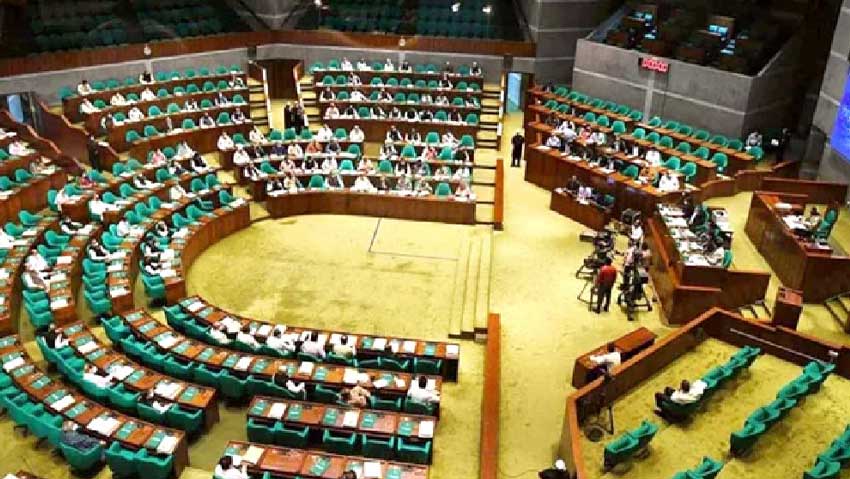
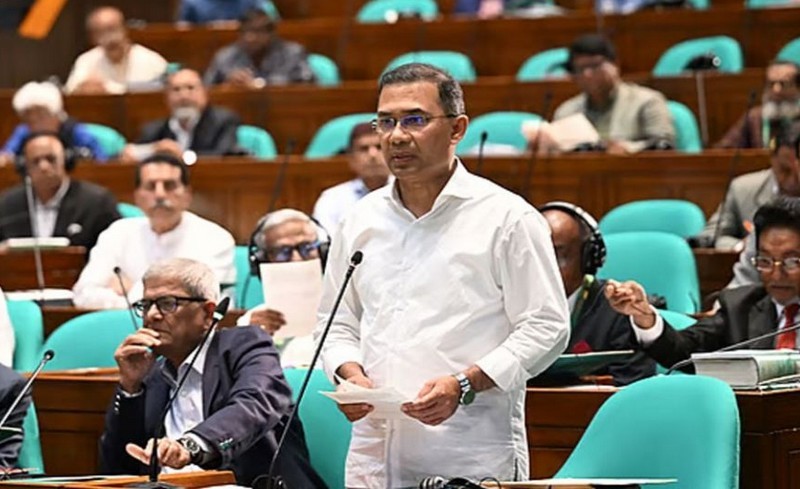
The national parliament on Wednesday approved legislation providing comprehensive legal protection to individuals who participated in the mass movement that ousted the Sheikh Hasina government in 2024, converting an interim government ordinance into permanent law without modifications.

Home Minister Salahuddin Ahmed introduced the July Mass Uprising (Protection and Liability Determination) Ordinance, 2026, which lawmakers passed in its original form as drafted during the interim administration of Professor Muhammad Yunus.

The legislation formally recognizes students and ordinary citizens who joined the movement as official uprising warriors, establishing a legal framework that shields them from prosecution related to events during the upheaval.

Under the new law, all existing civil and criminal cases filed against recognized warriors for actions during the movement period will be withdrawn. The legislation also prohibits future legal proceedings against these individuals for uprising-related activities and establishes clear procedures for resolving pending cases.

Courts will be required to immediately withdraw active cases against warriors upon receiving applications from public prosecutors or government-designated lawyers, provided the government certifies the individual’s participant status. Upon such application, the accused person will receive immediate discharge or acquittal.

The bill creates a separate mechanism for addressing fatalities that occurred during the uprising. Complaints involving alleged killings can be submitted to the National Human Rights Commission for independent investigation.

The legislation includes safeguards around these investigations, prohibiting the commission from assigning investigative duties to any current or former officer belonging to the same institution or force where the victim was employed. Any arrest or detention during investigation requires prior commission approval supported by reasonable justification.

Investigation outcomes follow two distinct pathways. If the commission determines an act constituted criminal exploitation of the prevailing disorder, it will forward findings to the appropriate court as a formal report equivalent to a police investigation, triggering standard judicial proceedings.

Alternatively, if the commission concludes that an act formed part of legitimate political resistance, it can direct the government to compensate the victim’s family. This determination simultaneously bars any related litigation in any court.

During parliamentary debate on the legislation, lawmaker Hasnat Abdullah sharply criticized the government for failing to pass the National Human Rights Commission ordinance that the interim government had previously issued, raising questions about the institutional framework meant to oversee uprising-related investigations.

Tag :
About Author Information

Parliament grants legal immunity to July Uprising warriors

Update Time : 07:32:48 pm, Wednesday, 8 April 2026


The national parliament on Wednesday approved legislation providing comprehensive legal protection to individuals who participated in the mass movement that ousted the Sheikh Hasina government in 2024, converting an interim government ordinance into permanent law without modifications.

Home Minister Salahuddin Ahmed introduced the July Mass Uprising (Protection and Liability Determination) Ordinance, 2026, which lawmakers passed in its original form as drafted during the interim administration of Professor Muhammad Yunus.

The legislation formally recognizes students and ordinary citizens who joined the movement as official uprising warriors, establishing a legal framework that shields them from prosecution related to events during the upheaval.

Under the new law, all existing civil and criminal cases filed against recognized warriors for actions during the movement period will be withdrawn. The legislation also prohibits future legal proceedings against these individuals for uprising-related activities and establishes clear procedures for resolving pending cases.

Courts will be required to immediately withdraw active cases against warriors upon receiving applications from public prosecutors or government-designated lawyers, provided the government certifies the individual’s participant status. Upon such application, the accused person will receive immediate discharge or acquittal.

The bill creates a separate mechanism for addressing fatalities that occurred during the uprising. Complaints involving alleged killings can be submitted to the National Human Rights Commission for independent investigation.

The legislation includes safeguards around these investigations, prohibiting the commission from assigning investigative duties to any current or former officer belonging to the same institution or force where the victim was employed. Any arrest or detention during investigation requires prior commission approval supported by reasonable justification.

Investigation outcomes follow two distinct pathways. If the commission determines an act constituted criminal exploitation of the prevailing disorder, it will forward findings to the appropriate court as a formal report equivalent to a police investigation, triggering standard judicial proceedings.

Alternatively, if the commission concludes that an act formed part of legitimate political resistance, it can direct the government to compensate the victim’s family. This determination simultaneously bars any related litigation in any court.

During parliamentary debate on the legislation, lawmaker Hasnat Abdullah sharply criticized the government for failing to pass the National Human Rights Commission ordinance that the interim government had previously issued, raising questions about the institutional framework meant to oversee uprising-related investigations.