 রিপোর্টারের নাম
Transparency International Bangladesh (TIB) has issued a sharp rebuke of Bank Resolution Act, 2026, cautioning that the legislation may pave the way for previously implicated bank owners to regain control without facing meaningful accountability.
In a statement released on April 13, the organisation argued that a controversial provision allowing former shareholders of failed or merged banks to reclaim ownership risks reversing efforts to clean up Bangladesh’s troubled financial sector.
According to TIB, the measure could effectively reopen the door to entrenched corruption and financial misconduct.
The watchdog noted that the new law departs significantly from the earlier Bank Resolution Ordinance, 2025, which had barred individuals linked to a bank’s collapse from returning to ownership, even if they repaid misappropriated funds. Under Section 18(a) of the updated legislation, that restriction has been lifted.
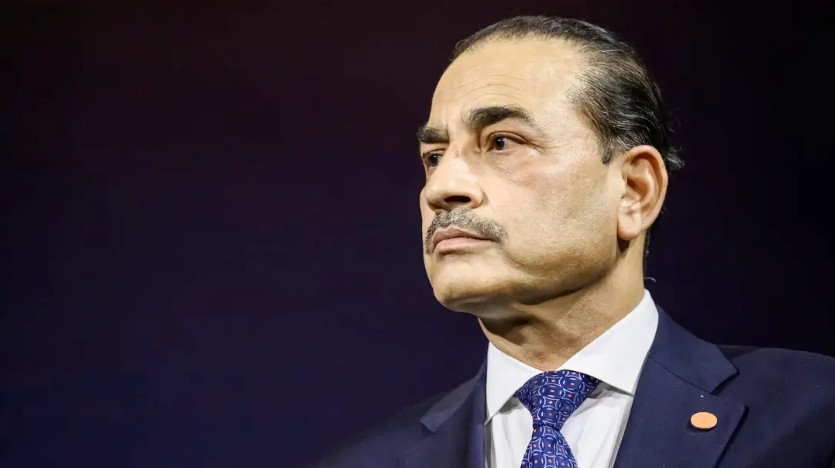
TIB Executive Director Iftekharuzzaman said the change risks institutionalising impunity. He argued that, regardless of the government’s rationale, the provision does not establish legal accountability but instead creates incentives that could reward those responsible for past financial irregularities.
He also warned that political transition alone does not guarantee reform, suggesting the banking sector could once again fall under the influence of vested interests through policy capture and rent-seeking practices.
Raising further concerns, Iftekharuzzaman questioned the financial structure under which former owners may regain control, noting that only 7.5 percent of required funds would need to be paid upfront, with the remaining balance spread over two years at 10 percent interest.
He cast doubt on whether such arrangements would enable meaningful recapitalisation, repayment of depositors, or restoration of regulatory compliance.
TIB also expressed reservations about the enforcement capacity of Bangladesh Bank, citing risks of weak oversight and potential conflicts of interest in monitoring post-reacquisition conditions.
The organisation warned that, under the stated aim of stabilising failing banks and protecting depositors, the law could instead exacerbate loan defaults and deepen insolvency pressures, ultimately shifting financial risks onto the public.
Questioning whether the legislation aligns with the government’s reform pledges, TIB suggested it may serve the interests of a narrow group rather than the broader economy. The watchdog called on authorities to revisit the provision and ensure that accountability remains central to banking sector reforms.