10:11 pm, Tuesday, 14 April 2026

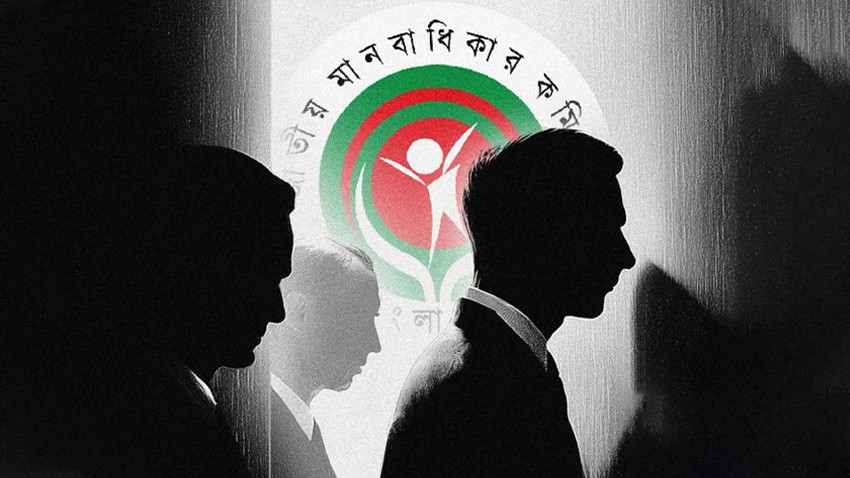
All NHRC members step down as parliament revives 2009 law


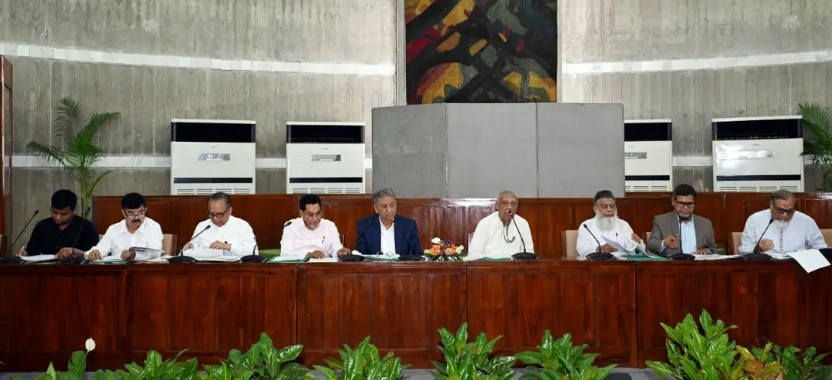
All members of the National Human Rights Commission have resigned following the repeal of the legal framework under which they were appointed, effectively bringing the commission’s latest tenure to an end.

The resignations came after Parliament passed the National Human Rights Commission (Repeal and Re-enactment) Bill on April 9, scrapping the ordinance introduced during the interim government and reinstating the earlier 2009 law. The legislation is set to take effect upon gazette notification after presidential approval.

Former commissioner Nur Khan said the members were not pressured by the government to step down, but were left in a state of uncertainty after the ordinance was withdrawn. Given that their appointments were made under a now-defunct legal provision, he said resignation was considered the appropriate course of action.

Commission Secretary Kudrat-e-Elahi echoed that position, stating the body had effectively ceased to exist once the ordinance was repealed, though he said he had not reviewed the commissioners’ open letter issued after their departure.

The outgoing panel, led by chairperson Moyeenul Islam Chowdhury, had been appointed on February 5, near the end of the interim administration’s tenure. The group included figures drawn from academia, civil society and earlier investigative bodies, including members linked to the Enforced Disappearance Commission.

Their exit marks the latest development in a turbulent period for the rights body. Following the fall of the Awami League government in August 2024 amid a mass uprising, the previous commission remained in place until November, when several members resigned under controversial circumstances. At the time, officials suggested some departures were made under pressure after intelligence personnel visited the commission’s office.

Appointments to the commission remained stalled for months before the interim government introduced a new ordinance in 2025, under which the now-resigned members were selected.

In a publicly circulated open letter, the outgoing commissioners said their decision to speak out was driven by accountability to victims of rights violations. They expressed concern over the uncertainty facing complainants after the ordinance’s repeal and emphasised their long-standing professional commitment to human rights protection.

The letter also addressed what the commissioners described as inaccuracies presented during parliamentary debate, outlined perceived government objections to the ordinance, and proposed criteria for evaluating future legislation.

The reinstatement of the 2009 law”originally enacted under the Awami League government”has drawn criticism from opposition lawmakers, who argued against repealing the more recent framework. Despite those objections, the bill was passed by voice vote, clearing the way for the commission to be reconstituted under the earlier legal structure.


Tag :
About Author Information

All NHRC members step down as parliament revives 2009 law

Update Time : 11:52:57 pm, Monday, 13 April 2026


All members of the National Human Rights Commission have resigned following the repeal of the legal framework under which they were appointed, effectively bringing the commission’s latest tenure to an end.

The resignations came after Parliament passed the National Human Rights Commission (Repeal and Re-enactment) Bill on April 9, scrapping the ordinance introduced during the interim government and reinstating the earlier 2009 law. The legislation is set to take effect upon gazette notification after presidential approval.

Former commissioner Nur Khan said the members were not pressured by the government to step down, but were left in a state of uncertainty after the ordinance was withdrawn. Given that their appointments were made under a now-defunct legal provision, he said resignation was considered the appropriate course of action.

Commission Secretary Kudrat-e-Elahi echoed that position, stating the body had effectively ceased to exist once the ordinance was repealed, though he said he had not reviewed the commissioners’ open letter issued after their departure.

The outgoing panel, led by chairperson Moyeenul Islam Chowdhury, had been appointed on February 5, near the end of the interim administration’s tenure. The group included figures drawn from academia, civil society and earlier investigative bodies, including members linked to the Enforced Disappearance Commission.

Their exit marks the latest development in a turbulent period for the rights body. Following the fall of the Awami League government in August 2024 amid a mass uprising, the previous commission remained in place until November, when several members resigned under controversial circumstances. At the time, officials suggested some departures were made under pressure after intelligence personnel visited the commission’s office.

Appointments to the commission remained stalled for months before the interim government introduced a new ordinance in 2025, under which the now-resigned members were selected.

In a publicly circulated open letter, the outgoing commissioners said their decision to speak out was driven by accountability to victims of rights violations. They expressed concern over the uncertainty facing complainants after the ordinance’s repeal and emphasised their long-standing professional commitment to human rights protection.

The letter also addressed what the commissioners described as inaccuracies presented during parliamentary debate, outlined perceived government objections to the ordinance, and proposed criteria for evaluating future legislation.

The reinstatement of the 2009 law”originally enacted under the Awami League government”has drawn criticism from opposition lawmakers, who argued against repealing the more recent framework. Despite those objections, the bill was passed by voice vote, clearing the way for the commission to be reconstituted under the earlier legal structure.