12:52 am, Saturday, 15 August 2026

Every drop of water is our red line : Shehbaz warns India


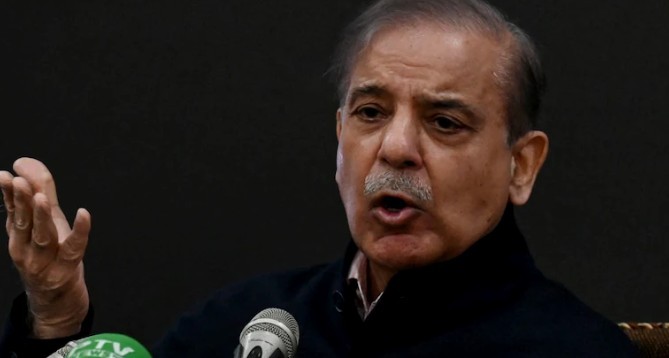
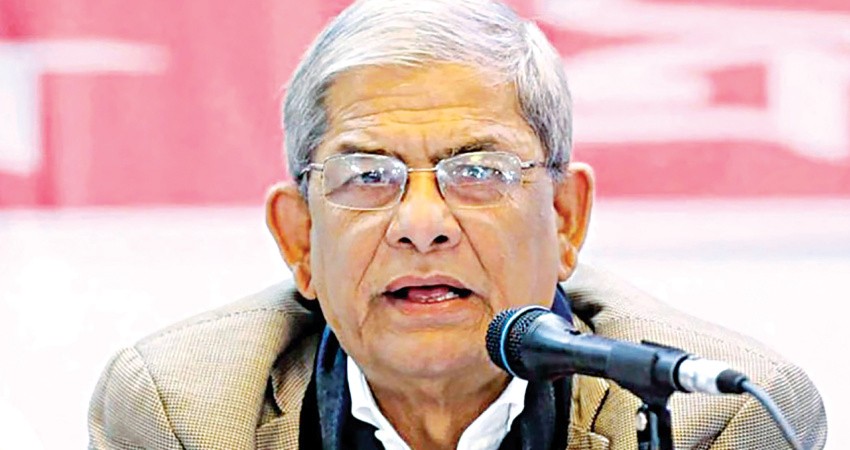
Pakistan Prime Minister Shehbaz Sharif has issued a stern warning to India over the waters of the Indus river, saying every drop of water from the river is a “red line” for Pakistan.


He also warned that although Pakistan wants peace, any threat to the country’s sovereignty or defence would draw a response tougher than the one in May 2025.


Shehbaz made the remarks on Thursday (August 13), a day before Pakistan’s 80th Independence Day, at an event in Islamabad marking the inauguration of the Yadgar-e-Fatah memorial.


He said Pakistan’s desire for peace should not be mistaken for weakness.“Pakistan wants peace, not war. But our desire for peace should not be seen as a sign of weakness,” Shehbaz said. “We remain committed to peace with dignity and resolve.”


“If anyone challenges Pakistan’s sovereignty and defence, the response will be tougher than what we gave in May 2025,” he said.


Shehbaz was referring to the military confrontation between India and Pakistan in May 2025. He also criticised India for unilaterally suspending the Indus Waters Treaty, saying New Delhi had taken the step following its “defeat” in May.


“I am warning you: every drop of water is our red line. If India does not follow the right path, we will respond directly,” he added.


Earlier, the Hague-based Permanent Court of Arbitration said in June 2025 that the decades-old Indus Waters Treaty does not provide for its unilateral “suspension” or “inoperability” and that the court has jurisdiction over disputes under the treaty.


The treaty divided the waters of six rivers in the Indus basin between India and Pakistan. Under the agreement, the three eastern rivers-the Sutlej, Beas and Ravi-are allocated to India, while the three western rivers-the Indus, Jhelum and Chenab-are allocated to Pakistan.


Pakistan has argued that Indian plans to build hydropower projects and dams could reduce water flows in the rivers. Around 80% of Pakistan’s irrigation-dependent agriculture relies on these rivers.


The Indus Waters Treaty came under renewed strain after India suspended its participation in the agreement following the April 2025 killing of 26 tourists in Indian-administered Kashmir. New Delhi immediately blamed Pakistan for the attack without providing evidence, while Islamabad denied the allegation and called for an independent investigation.


The two countries subsequently downgraded diplomatic and trade ties, closed their main land border and cancelled visas for each other’s citizens. Although Islamabad called for an independent investigation into the attack, India rejected the call and launched a military operation against Pakistan, triggering heightened tensions between the two nuclear-armed neighbours.


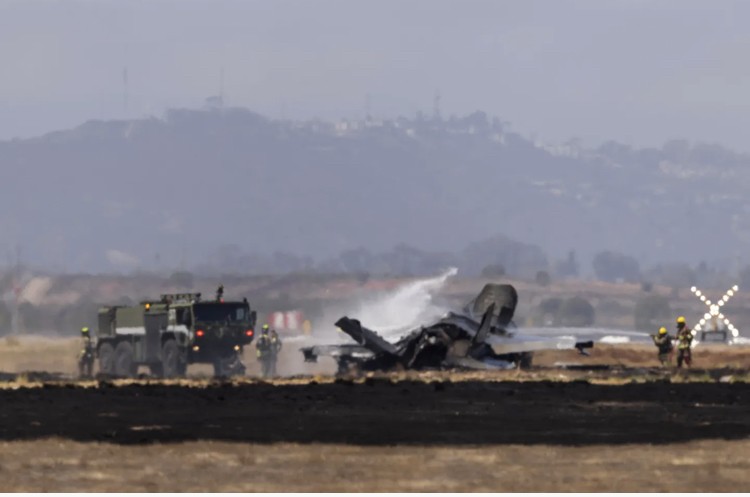
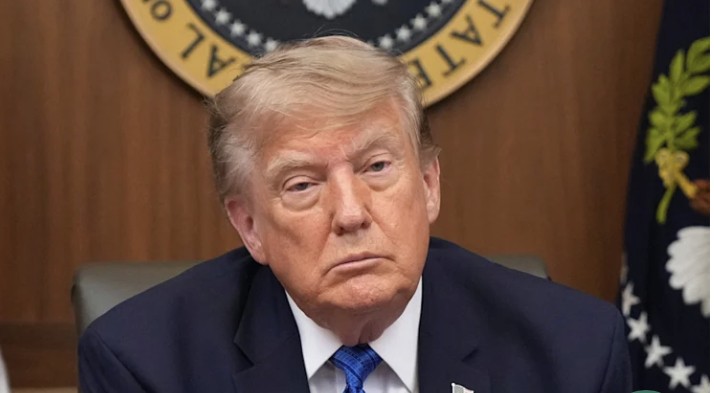
Pakistan responded with strikes against India. During the May confrontation, Pakistan claimed to have shot down several Indian fighter jets and attacked several Indian military bases. US President Donald Trump later announced a ceasefire.


The United States, which viewed itself as playing a mediating role in the ceasefire, estimated that around 11 Indian aircraft had been shot down during the conflict. Pakistan claimed it had downed seven or eight Indian aircraft, including Rafale fighter jets.


Relations between India and Pakistan have remained strained since then. India has denied that the United States played any role in securing the ceasefire, while Pakistan has praised President Donald Trump’s initiative and nominated him for the Nobel Peace Prize.

 

Tag :
About Author Information

Every drop of water is our red line : Shehbaz warns India

Update Time : 04:36:17 pm, Friday, 14 August 2026


Pakistan Prime Minister Shehbaz Sharif has issued a stern warning to India over the waters of the Indus river, saying every drop of water from the river is a “red line” for Pakistan.


He also warned that although Pakistan wants peace, any threat to the country’s sovereignty or defence would draw a response tougher than the one in May 2025.


Shehbaz made the remarks on Thursday (August 13), a day before Pakistan’s 80th Independence Day, at an event in Islamabad marking the inauguration of the Yadgar-e-Fatah memorial.


He said Pakistan’s desire for peace should not be mistaken for weakness.“Pakistan wants peace, not war. But our desire for peace should not be seen as a sign of weakness,” Shehbaz said. “We remain committed to peace with dignity and resolve.”


“If anyone challenges Pakistan’s sovereignty and defence, the response will be tougher than what we gave in May 2025,” he said.


Shehbaz was referring to the military confrontation between India and Pakistan in May 2025. He also criticised India for unilaterally suspending the Indus Waters Treaty, saying New Delhi had taken the step following its “defeat” in May.


“I am warning you: every drop of water is our red line. If India does not follow the right path, we will respond directly,” he added.


Earlier, the Hague-based Permanent Court of Arbitration said in June 2025 that the decades-old Indus Waters Treaty does not provide for its unilateral “suspension” or “inoperability” and that the court has jurisdiction over disputes under the treaty.


The treaty divided the waters of six rivers in the Indus basin between India and Pakistan. Under the agreement, the three eastern rivers-the Sutlej, Beas and Ravi-are allocated to India, while the three western rivers-the Indus, Jhelum and Chenab-are allocated to Pakistan.


Pakistan has argued that Indian plans to build hydropower projects and dams could reduce water flows in the rivers. Around 80% of Pakistan’s irrigation-dependent agriculture relies on these rivers.


The Indus Waters Treaty came under renewed strain after India suspended its participation in the agreement following the April 2025 killing of 26 tourists in Indian-administered Kashmir. New Delhi immediately blamed Pakistan for the attack without providing evidence, while Islamabad denied the allegation and called for an independent investigation.


The two countries subsequently downgraded diplomatic and trade ties, closed their main land border and cancelled visas for each other’s citizens. Although Islamabad called for an independent investigation into the attack, India rejected the call and launched a military operation against Pakistan, triggering heightened tensions between the two nuclear-armed neighbours.


Pakistan responded with strikes against India. During the May confrontation, Pakistan claimed to have shot down several Indian fighter jets and attacked several Indian military bases. US President Donald Trump later announced a ceasefire.


The United States, which viewed itself as playing a mediating role in the ceasefire, estimated that around 11 Indian aircraft had been shot down during the conflict. Pakistan claimed it had downed seven or eight Indian aircraft, including Rafale fighter jets.


Relations between India and Pakistan have remained strained since then. India has denied that the United States played any role in securing the ceasefire, while Pakistan has praised President Donald Trump’s initiative and nominated him for the Nobel Peace Prize.