 রিপোর্টারের নাম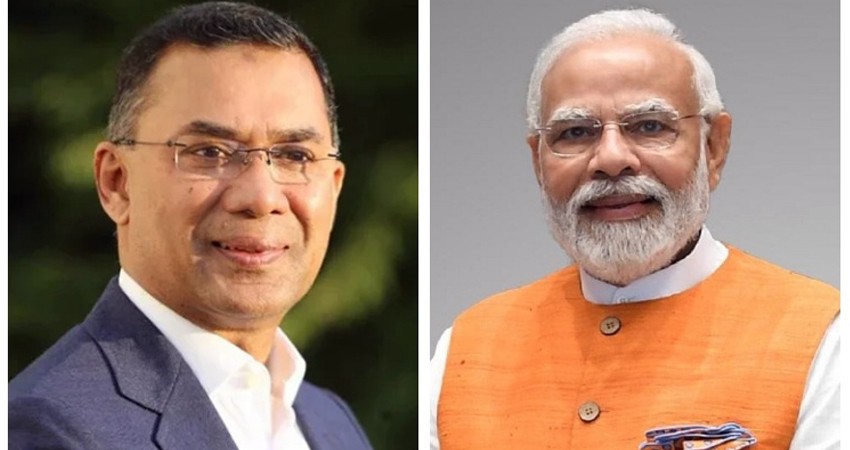
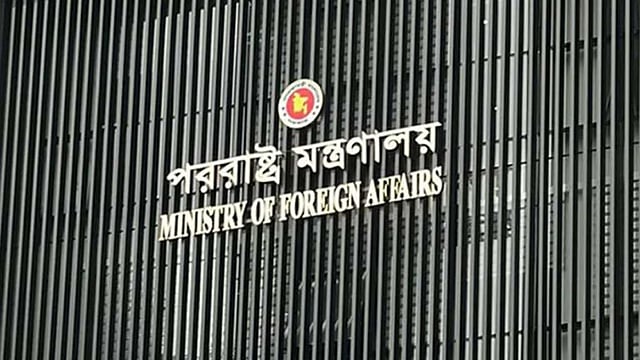
Bangladeshi Prime Minister Tarique Rahman is expected to visit New Delhi in the second half of next week, with preparations already underway in both capitals, sources in Delhi and Dhaka told NDTV.
If the visit goes ahead as planned, it would be Rahman’s first trip to India as Bangladesh’s prime minister and could well prove to be a landmark moment in relations between the two neighbours.
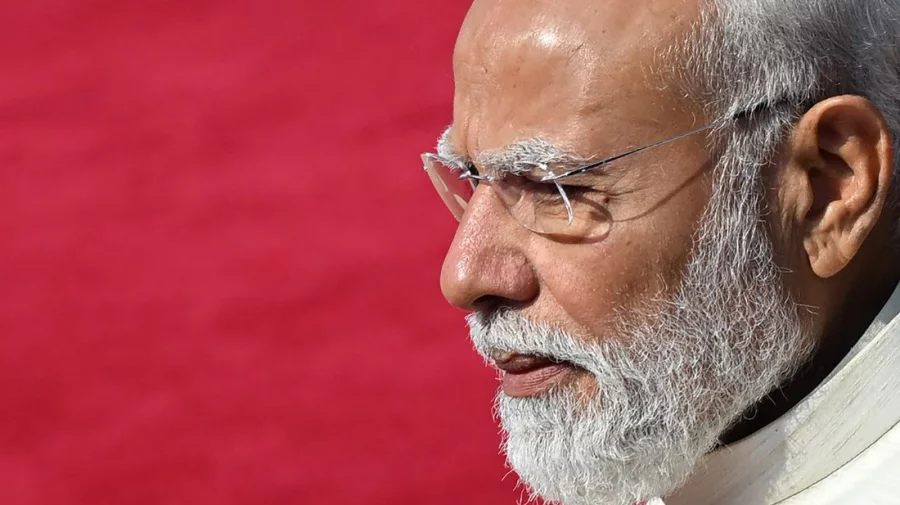
A meeting with Prime Minister Narendra Modi is part of the visit, and the two leaders are expected to discuss a range of bilateral issues, including trade, connectivity, energy, border management and regional security.
The two-day visit is being planned as a bilateral engagement, though details such as the schedule are still being worked out, said people familiar with the discussions.
India had earlier invited Rahman to visit New Delhi soon after he took office in February.
New Delhi has also invited Bangladesh to the BRICS outreach session to be held in the capital in September.
First PM Modi-Tarique Rahman meeting
Both New Delhi and Dhaka would be watching the meeting between PM Modi and Rahman closely.
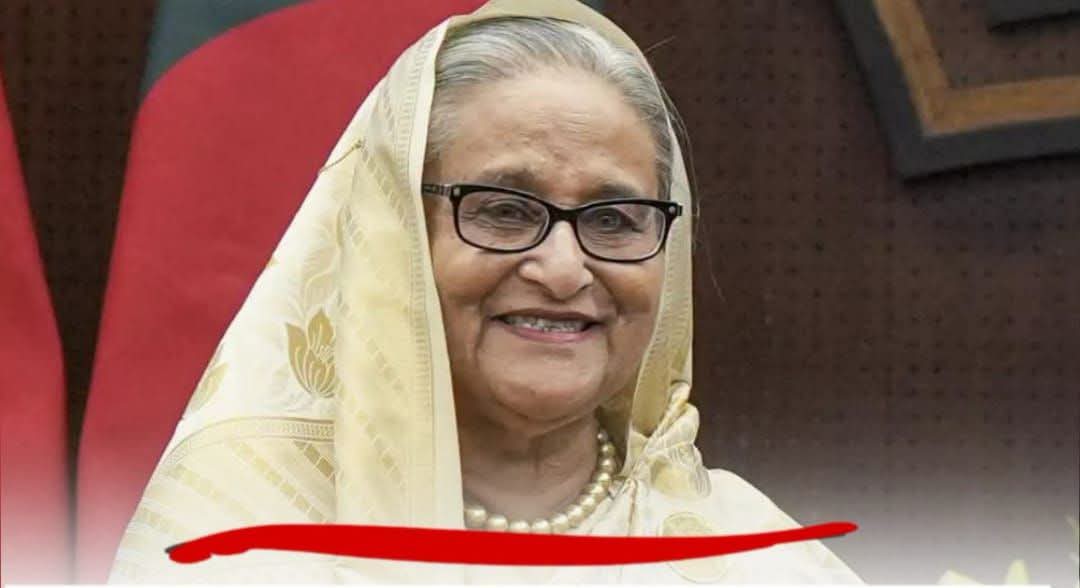
Rahman’s return to power has altered the political equation in Bangladesh and also compelled India to recalibrate its approach to Dhaka. Since the fall of Sheikh Hasina’s government in August 2024, the two countries have seriously strained their relations. Since then, New Delhi and Dhaka have had several differences, including over Hasina’s presence in India and Bangladesh’s request to extradite her.
But the new BNP government has said it wants to work with India. There have been some signs of renewed diplomatic contact in recent times. Foreign Minister of Bangladesh Khalilur Rahman visited New Delhi in April and held talks with External Affairs Minister S Jaishankar. Indian High Commissioner Dinesh Trivedi met Rahman in Dhaka on August 10 as the two sides discussed ways to improve the atmosphere between the two countries recently.
Sheikh Hasina extradition request: A major issue
Hasina left Bangladesh on August 5, 2024, and has been in India since. Dhaka formally demanded her extradition from New Delhi after a Bangladeshi tribunal sentenced her to death for crimes against humanity. India has said the request is being examined through the proper legal and diplomatic channels.
The controversy resurfaced earlier this month when Hasina interacted virtually with journalists in New Delhi. Dhaka responded angrily, saying Indian soil should not be used for political activities against Bangladesh. New Delhi has denied any involvement in organising the event.
Sources said the issue of extradition also came up during the recent meeting between Rahman and the Indian high commissioner. Each government will have to find a way to discuss the dispute without letting it derail the broader relationship.
Water, trade and border issues
There is also a long list of practical problems that need solving. The talks are expected to focus on trade and transit, energy cooperation, border management and connectivity. India and Bangladesh have a long land border and strong economic and transport links, so any warming of political relations would surely be felt fairly quickly in these areas.
Another major issue might be water sharing. The Ganges Water Sharing Treaty, signed in 1996, is set to expire in December, and discussions on its renewal are expected to gain prominence as the deadline looms.
Dhaka has also sought greater cooperation from India on several economic and trade issues.
New Delhi has a stake in stability in relations with Bangladesh, not only because of the common border, but also because of the country’s strategic location and its connections with the northeast states of India.
A visit of greater significance
The planned trip comes as both sides appear keen to bring some normality back to the relationship.
The visit is not anticipated to resolve all the outstanding disputes. There will be a need for negotiations on the Hasina issue, water sharing, and some trade and border issues. But direct talks between PM Modi and Rahman could create a political channel to settle those differences.
The visit would help Rahman to present the position of Dhaka directly to the Indian leadership.
For PM Modi, it would be an opportunity to lay out New Delhi’s expectations from the new Bangladesh government.
Dates are still being worked out, but if the plan goes as per schedule, next week’s visit of Tarique Rahman to Delhi could be the first major test of the new political relationship between India and Bangladesh.
The goal right now is to get the two sides talking again – and to keep hard issues from swamping the relationship.