11:38 pm, Thursday, 9 July 2026

Gas crisis getting worse: Hundreds of factories feared to close


Bangladesh is heading toward a severe natural gas crisis as production from domestic gas fields continues to decline, raising fears that hundreds of factories could shut down or drastically reduce production between 2027 and 2028.

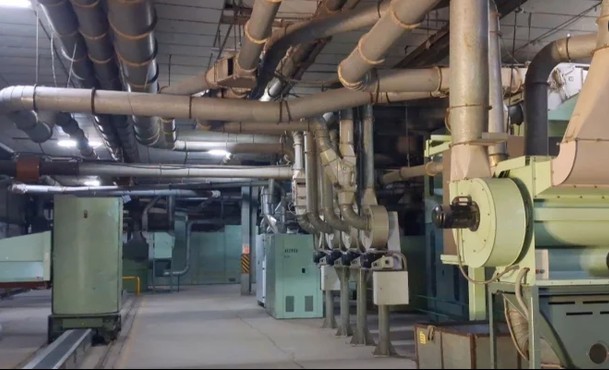
Industry experts warn that without urgent government intervention, the worsening energy shortage could trigger widespread job losses and inflict serious damage on the country’s economy.

The crisis is already affecting industrial zones and residential consumers, with low gas pressure disrupting manufacturing operations and leaving many households unable to cook during peak hours.

Gas Pressure Falling Across the Country

Managing Director of Titas Gas Transmission and Distribution Company, Shahnewaz Parvez, told local media that gas pressure has been steadily declining.

“If this trend continues, industries as well as other consumers across the country will face severe hardship. We have repeatedly raised the issue with the government’s highest authorities.”

The situation worsened recently after the government diverted an additional 70 million cubic feet of gas per day to the power sector. As a result, hundreds of factories in Gazipur, Tangail, Ashulia, Chandra, Dhanua, Rajendrapur, and Konabari experienced acute gas shortages. Residential consumers in parts of Dhaka have also reported prolonged disruptions in gas supply.

Demand Far Exceeds Supply

Bangladesh currently requires nearly 4 billion cubic feet (BCF) of gas per day, but only 2.656 billion cubic feet were supplied nationwide on Saturday. Of that amount, 1.032 billion cubic feet came from imported Liquefied Natural Gas (LNG), highlighting the country’s growing dependence on costly imports.

According to government data, the Titas distribution zone alone serves more than 4,500 industrial and captive power connections, with hundreds of those industries now at risk of suspension due to inadequate gas supply.

New LNG Terminal Delayed

Officials from the Energy Division say the government aims to install another floating LNG terminal by 2029.

However, despite five months of discussions, authorities have yet to select a company to develop the terminal, delaying a project considered vital to easing future shortages.

Thousands of Industries Waiting for Gas Connections

The government is also under mounting pressure to supply gas to new industrial projects.

According to a recent report by the Energy Division:

A total of 550 factories have already paid connection fees but remain without gas service after waiting for years. Around 1,300 additional industries have pending applications for new gas connections.

Providing service to these 1,800 industrial customers would require more than 400 million cubic feet of additional gas per day, a volume the current system cannot support.

Domestic Production Continues to Decline

Petrobangla officials say domestic gas production is falling by roughly 15 million cubic feet annually, while demand continues to rise sharply.

Government projections indicate:

Current total gas supply (including LNG): 2.656 BCF/day
Expected supply by June 2027: 2.607 BCF/day
Expected supply by 2028: 2.57 BCF/day

Meanwhile, national demand is projected to exceed 5 BCF/day by 2028.

Even more alarming, production from Bangladesh’s 22 domestic gas fields is expected to decline from the current 1.65 BCF/day to only 850 million cubic feet per day by the end of 2028.

Uncertain Future Projects

Authorities plan to add around 210 million cubic feet of gas per day to the national grid by 2029, including production from the Bhola gas field.

A pipeline connecting Bhola to the national gas grid is currently under feasibility study, but no construction schedule has been finalized.

Petrobangla has also pledged to increase production by drilling additional wells. However, despite drilling more than 20 wells over the past four years, the company has failed to increase national gas supply by even 50 million cubic feet per day, raising concerns over the effectiveness of current exploration efforts.

Offshore Exploration Still Years Away

The government invited international bids in May for offshore oil and gas exploration in the Bay of Bengal. Bid submissions are scheduled for November.

Even if international energy companies participate, experts say negotiations, agreements, seismic surveys and drilling operations would take several years before any new gas reaches the national grid.

Major Gas Fields Losing Production

Nearly all of Bangladesh’s major gas fields have experienced significant production declines:

●Bibiyana (Chevron): Down from 1.2 BCF/day to 746 million cubic feet/day
●Titas: From 542 million to 327 million cubic feet/day
●Habiganj: From 225 million to 102 million cubic feet/day
●Bakhrabad: From 43 million to 19.4 million cubic feet/day
●Moulvibazar: From 42 million to 15.9 million cubic feet/day
●Bangura: From 103 million to 31 million cubic feet/day
●Sylhet: From 13 million to 6.7 million cubic feet/day

Industry analysts warn that the continued depletion of domestic gas reserves, coupled with delayed infrastructure development and slow exploration efforts, is pushing Bangladesh toward an unprecedented energy crisis.

Without immediate investment in exploration, production, and import infrastructure, the country could face widespread industrial disruption, slower economic growth, and significant employment losses within the next few years.


Tag :
About Author Information

Gas crisis getting worse: Hundreds of factories feared to close

Update Time : 09:39:19 pm, Thursday, 9 July 2026


Bangladesh is heading toward a severe natural gas crisis as production from domestic gas fields continues to decline, raising fears that hundreds of factories could shut down or drastically reduce production between 2027 and 2028.

Industry experts warn that without urgent government intervention, the worsening energy shortage could trigger widespread job losses and inflict serious damage on the country’s economy.

The crisis is already affecting industrial zones and residential consumers, with low gas pressure disrupting manufacturing operations and leaving many households unable to cook during peak hours.

Gas Pressure Falling Across the Country

Managing Director of Titas Gas Transmission and Distribution Company, Shahnewaz Parvez, told local media that gas pressure has been steadily declining.

“If this trend continues, industries as well as other consumers across the country will face severe hardship. We have repeatedly raised the issue with the government’s highest authorities.”

The situation worsened recently after the government diverted an additional 70 million cubic feet of gas per day to the power sector. As a result, hundreds of factories in Gazipur, Tangail, Ashulia, Chandra, Dhanua, Rajendrapur, and Konabari experienced acute gas shortages. Residential consumers in parts of Dhaka have also reported prolonged disruptions in gas supply.

Demand Far Exceeds Supply

Bangladesh currently requires nearly 4 billion cubic feet (BCF) of gas per day, but only 2.656 billion cubic feet were supplied nationwide on Saturday. Of that amount, 1.032 billion cubic feet came from imported Liquefied Natural Gas (LNG), highlighting the country’s growing dependence on costly imports.

According to government data, the Titas distribution zone alone serves more than 4,500 industrial and captive power connections, with hundreds of those industries now at risk of suspension due to inadequate gas supply.

New LNG Terminal Delayed

Officials from the Energy Division say the government aims to install another floating LNG terminal by 2029.

However, despite five months of discussions, authorities have yet to select a company to develop the terminal, delaying a project considered vital to easing future shortages.

Thousands of Industries Waiting for Gas Connections

The government is also under mounting pressure to supply gas to new industrial projects.

According to a recent report by the Energy Division:

A total of 550 factories have already paid connection fees but remain without gas service after waiting for years. Around 1,300 additional industries have pending applications for new gas connections.

Providing service to these 1,800 industrial customers would require more than 400 million cubic feet of additional gas per day, a volume the current system cannot support.

Domestic Production Continues to Decline

Petrobangla officials say domestic gas production is falling by roughly 15 million cubic feet annually, while demand continues to rise sharply.

Government projections indicate:

Current total gas supply (including LNG): 2.656 BCF/day
Expected supply by June 2027: 2.607 BCF/day
Expected supply by 2028: 2.57 BCF/day

Meanwhile, national demand is projected to exceed 5 BCF/day by 2028.

Even more alarming, production from Bangladesh’s 22 domestic gas fields is expected to decline from the current 1.65 BCF/day to only 850 million cubic feet per day by the end of 2028.

Uncertain Future Projects

Authorities plan to add around 210 million cubic feet of gas per day to the national grid by 2029, including production from the Bhola gas field.

A pipeline connecting Bhola to the national gas grid is currently under feasibility study, but no construction schedule has been finalized.

Petrobangla has also pledged to increase production by drilling additional wells. However, despite drilling more than 20 wells over the past four years, the company has failed to increase national gas supply by even 50 million cubic feet per day, raising concerns over the effectiveness of current exploration efforts.

Offshore Exploration Still Years Away

The government invited international bids in May for offshore oil and gas exploration in the Bay of Bengal. Bid submissions are scheduled for November.

Even if international energy companies participate, experts say negotiations, agreements, seismic surveys and drilling operations would take several years before any new gas reaches the national grid.

Major Gas Fields Losing Production

Nearly all of Bangladesh’s major gas fields have experienced significant production declines:

●Bibiyana (Chevron): Down from 1.2 BCF/day to 746 million cubic feet/day
●Titas: From 542 million to 327 million cubic feet/day
●Habiganj: From 225 million to 102 million cubic feet/day
●Bakhrabad: From 43 million to 19.4 million cubic feet/day
●Moulvibazar: From 42 million to 15.9 million cubic feet/day
●Bangura: From 103 million to 31 million cubic feet/day
●Sylhet: From 13 million to 6.7 million cubic feet/day

Industry analysts warn that the continued depletion of domestic gas reserves, coupled with delayed infrastructure development and slow exploration efforts, is pushing Bangladesh toward an unprecedented energy crisis.

Without immediate investment in exploration, production, and import infrastructure, the country could face widespread industrial disruption, slower economic growth, and significant employment losses within the next few years.