1:12 am, Thursday, 30 April 2026

Bangladesh, EU reopen diplomatic channel after 5-year gap; map out trade deal, stronger ties


 Dhaka and Brussels have reopened a critical diplomatic channel after nearly five years of silence, with Bangladesh pushing for a revitalised partnership that could reshape trade, migration, and climate cooperation between the two sides.

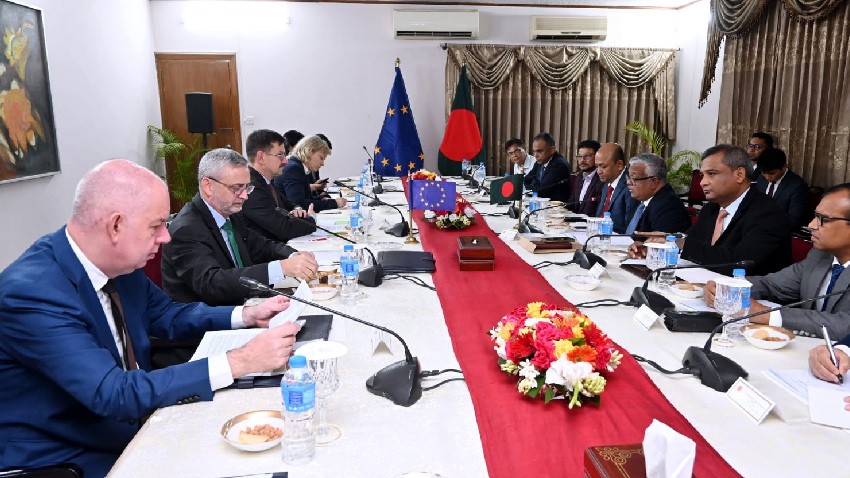
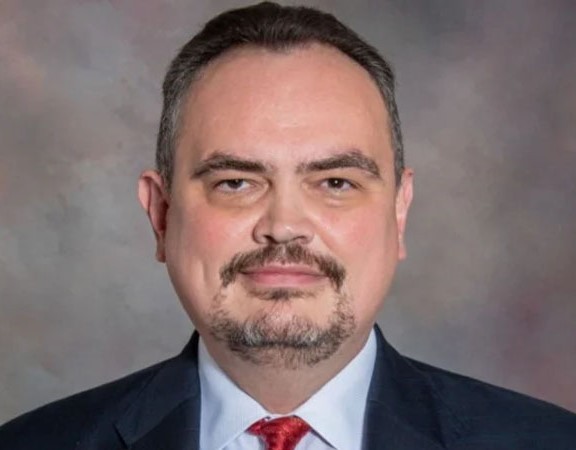
The fifth round of formal consultations took place in Dhaka on Wednesday, co-chaired by Foreign Secretary Asad Alam Siam and Erik Kurzweil, the European External Action Service’s managing director for Asia Pacific. The meeting marked the first such dialogue since 2020 and signalled both governments’ intent to move beyond a prolonged diplomatic pause.

At the heart of Bangladesh’s agenda was a push for preferential market access to remain a cornerstone of the trade relationship. Dhaka floated the possibility of a Free Trade Agreement and an Investment Protection Agreement as long-term instruments to lock in these benefits. The discussions also touched on democratic governance, human rights, and the rule of law, alongside migration and skills development, reflecting the breadth of issues now defining the partnership.

Both sides welcomed the recent initialling of a Partnership and Cooperation Agreement, which once finalised through internal processes on both sides would establish a structured and comprehensive framework for future engagement.

The EU formally acknowledged the conduct of Bangladesh’s February 2026 parliamentary elections, citing the final report of its Election Observation Mission.

Dhaka emphasised that the new government, which secured a landslide mandate, is eager to inject fresh energy into the bilateral relationship and unlock what both sides describe as untapped potential.

Bangladesh also sought deeper involvement in Horizon Europe, the EU’s flagship research programme, proposing joint initiatives in knowledge exchange, technology transfer, and capacity building.

On labour and migration, Bangladesh highlighted progress on domestic labour reforms while calling for expanded safe and regular migration pathways. Both sides agreed to strengthen joint efforts to combat human trafficking and irregular migration.

The climate conversation was equally pointed. Bangladesh underscored its acute vulnerabilities and pressed for greater access to climate finance, technology transfer, and adaptation support, including through the EU’s Global Gateway initiative.

The dialogue also covered regional and global developments, including the ongoing Middle East crisis. Both parties reaffirmed their commitment to multilateralism and a rules-based international order. Dhaka made a specific plea for sustained international attention to the Rohingya crisis, which remains a defining issue in the relationship.

The consultations concluded with an agreement to hold regular meetings, a commitment both sides view as essential to fully realising the potential of what they describe as a long-standing and multifaceted partnership.



Tag :
About Author Information

Bangladesh, EU reopen diplomatic channel after 5-year gap; map out trade deal, stronger ties

Update Time : 11:52:09 pm, Wednesday, 29 April 2026


 Dhaka and Brussels have reopened a critical diplomatic channel after nearly five years of silence, with Bangladesh pushing for a revitalised partnership that could reshape trade, migration, and climate cooperation between the two sides.

The fifth round of formal consultations took place in Dhaka on Wednesday, co-chaired by Foreign Secretary Asad Alam Siam and Erik Kurzweil, the European External Action Service’s managing director for Asia Pacific. The meeting marked the first such dialogue since 2020 and signalled both governments’ intent to move beyond a prolonged diplomatic pause.

At the heart of Bangladesh’s agenda was a push for preferential market access to remain a cornerstone of the trade relationship. Dhaka floated the possibility of a Free Trade Agreement and an Investment Protection Agreement as long-term instruments to lock in these benefits. The discussions also touched on democratic governance, human rights, and the rule of law, alongside migration and skills development, reflecting the breadth of issues now defining the partnership.

Both sides welcomed the recent initialling of a Partnership and Cooperation Agreement, which once finalised through internal processes on both sides would establish a structured and comprehensive framework for future engagement.

The EU formally acknowledged the conduct of Bangladesh’s February 2026 parliamentary elections, citing the final report of its Election Observation Mission.

Dhaka emphasised that the new government, which secured a landslide mandate, is eager to inject fresh energy into the bilateral relationship and unlock what both sides describe as untapped potential.

Bangladesh also sought deeper involvement in Horizon Europe, the EU’s flagship research programme, proposing joint initiatives in knowledge exchange, technology transfer, and capacity building.

On labour and migration, Bangladesh highlighted progress on domestic labour reforms while calling for expanded safe and regular migration pathways. Both sides agreed to strengthen joint efforts to combat human trafficking and irregular migration.

The climate conversation was equally pointed. Bangladesh underscored its acute vulnerabilities and pressed for greater access to climate finance, technology transfer, and adaptation support, including through the EU’s Global Gateway initiative.

The dialogue also covered regional and global developments, including the ongoing Middle East crisis. Both parties reaffirmed their commitment to multilateralism and a rules-based international order. Dhaka made a specific plea for sustained international attention to the Rohingya crisis, which remains a defining issue in the relationship.

The consultations concluded with an agreement to hold regular meetings, a commitment both sides view as essential to fully realising the potential of what they describe as a long-standing and multifaceted partnership.